Add: Room 402, Building 1, Hongyuan Innovation Building, Wujiaochang Subdistrict, Yangpu District, Shanghai
CONTACT US
+86 18595994837
CONTACT US
+86 18595994837
In any commercial or industrial building, safety is not just a requirement—it is a priority. A high-quality fire rated steel door serves as a critical barrier, designed to prevent the spread of flames and smoke, providing precious time for evacuation and emergency response. Whether you are managing a warehouse, a hospital, or a high-rise office, understanding the specifications and standards of these doors is essential for compliance and life safety. In this comprehensive guide, we will explore the technical aspects, benefits, and selection criteria to help you make an informed decision for your infrastructure.
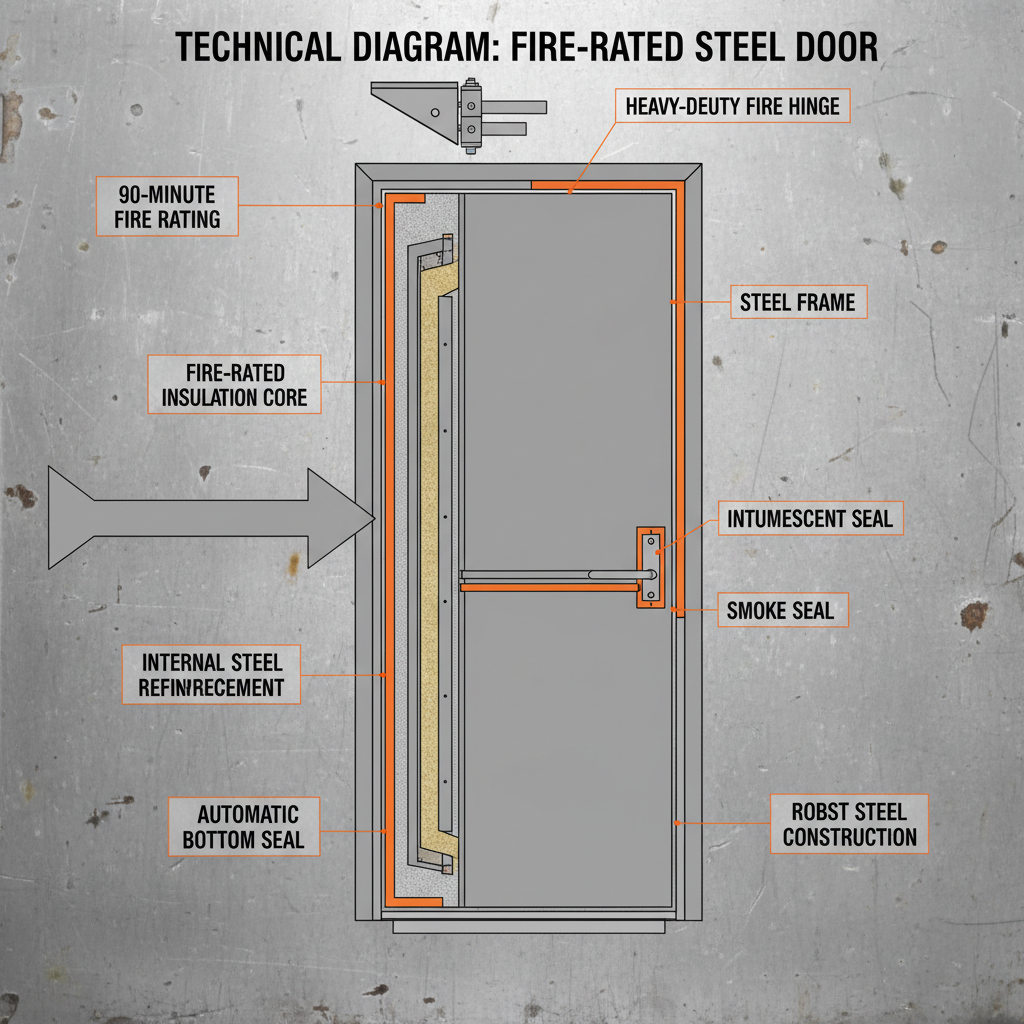
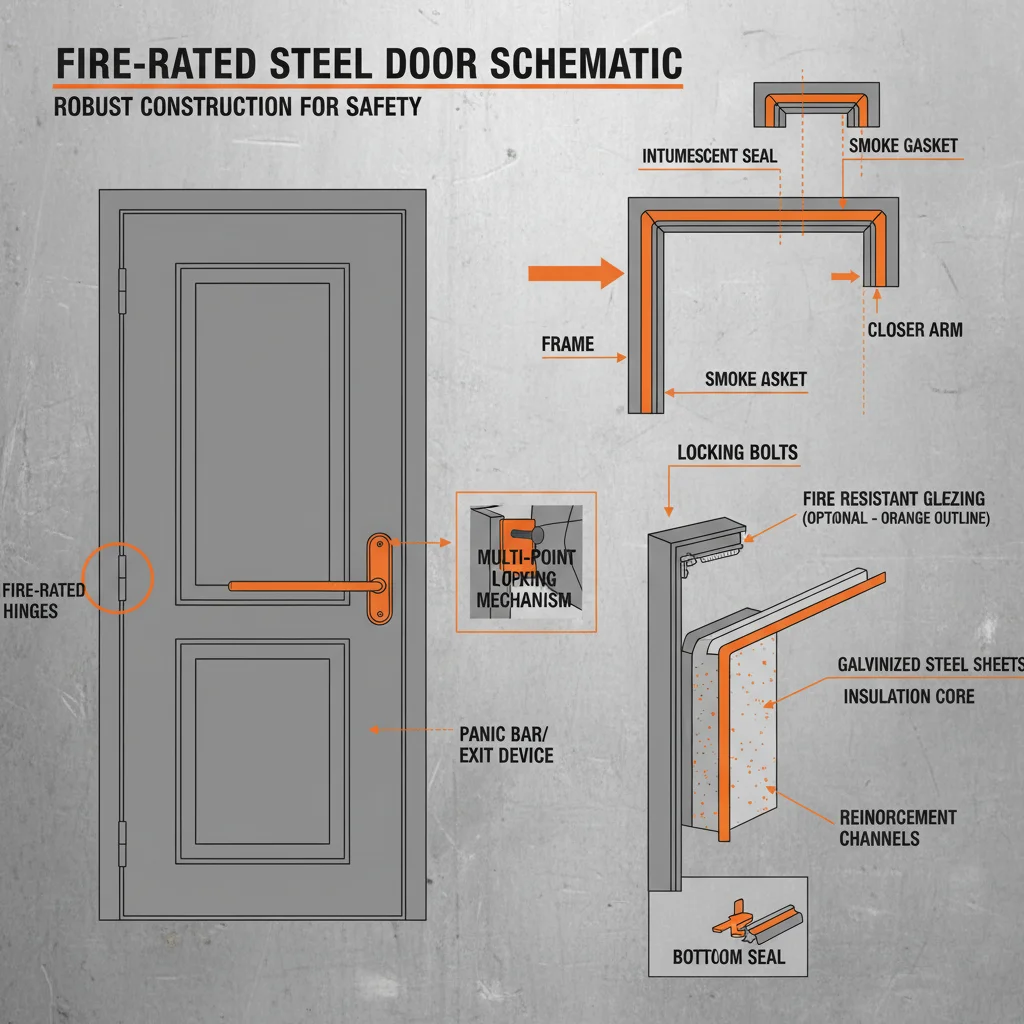
A fire rated steel door is engineered using specialized materials that resist extreme heat. Unlike standard doors, these are constructed with heavy-gauge steel and filled with mineral wool or other non-combustible insulating cores. This construction ensures that the door remains structurally sound and prevents heat transfer to the other side for a specified period. The integration of intumescent seals is another key feature; these seals expand when exposed to heat, blocking smoke and toxic gases from leaking through the gaps between the door and the frame, which is often the primary cause of casualties during fire incidents.
Pro Tip: Always ensure that your fire doors are equipped with certified self-closing mechanisms, as an open fire door provides zero protection against the spread of fire.
Not all fire doors are created equal. Depending on the building's occupancy and local fire codes, you may need different ratings. The "rating" refers to the amount of time a fire rated steel door can withstand a standardized fire test without failing. Common ratings include 20, 60, 90, and 180 minutes. Choosing the correct rating involves analyzing the risk level of the area—for example, boiler rooms require higher ratings than general corridor doors. Below is a comparison table to help you distinguish between the most common industrial ratings.
When sourcing a fire rated steel door, it is not just about the rating; the build quality and material specifications determine the actual performance. A professional door should feature galvanized steel to prevent corrosion and a powder-coated finish for durability in harsh environments. The hardware, including hinges and panic bars, must also be fire-certified to ensure the door doesn't warp or fail under intense heat.
Even the best fire rated steel door can become useless if installed incorrectly. Gaps that are too wide or improperly fitted frames can allow smoke and heat to bypass the door entirely. Certification from recognized bodies (such as UL or NFPA) ensures that the product has undergone rigorous testing. It is imperative to verify that the installation team is experienced in fire-door fitting and that all gaps are sealed with approved fire-stop materials to maintain the integrity of the fire compartment.
Maintenance is the often-overlooked part of fire safety. Over time, hinges can sag, and seals can perish. A regular inspection routine for your fire rated steel door ensures that it will perform exactly as intended during an emergency. Key check-points include verifying the closing speed, checking for any warping of the steel panels, and ensuring that no one has disabled the self-closing mechanism for convenience.
Choosing a premium fire rated steel door is more than a compliance checkbox; it is a commitment to the safety of every person entering your building. By focusing on the correct fire rating, high-grade material specifications, and rigorous maintenance, you create a secure environment that can withstand the worst-case scenarios. Trust in certified products and professional installation to ensure your facility remains a safe haven. Don't leave safety to chance—invest in quality protection today.
A fire-resistant door is a general term for any door that can withstand fire. However, a "fire rated" door has been specifically tested in a laboratory environment and assigned a precise time rating (e.g., 60 or 90 minutes). For legal and insurance compliance in commercial buildings, you must use a fire rated door that meets the specific hourly requirement set by local fire authorities. These doors are certified by third-party agencies to ensure they meet strict performance standards.
Yes, you can paint a fire rated steel door, but you must be cautious about the type of paint used. It is highly recommended to use non-combustible or fire-retardant paints. Avoid thick layers of oil-based paints that could potentially act as fuel or interfere with the operation of the intumescent seals. Always check the manufacturer's guidelines to ensure that the paint does not void the fire certification of the door. A professional powder-coated finish is usually the best option for durability.
The door leaf is only one part of the system. The frame must be equally fire-resistant to prevent the fire from simply burning through the wall opening around the door. A certified fire door system includes both the leaf and the frame, as well as the hardware. If you install a high-rated door in a non-rated wooden frame, the entire system will fail. For the best protection, always purchase a complete set from a trusted provider like CNBuildHive to ensure full system compatibility.
Most fire rated steel doors have a permanent certification label or a metal tag attached to the hinge edge of the door leaf. This label contains the manufacturer's name, the fire rating (e.g., 90 min), and the certification body (such as UL). If the label is missing, you may need to consult the building's original blueprints or hire a professional fire safety inspector to verify the door's specifications through material analysis and records.
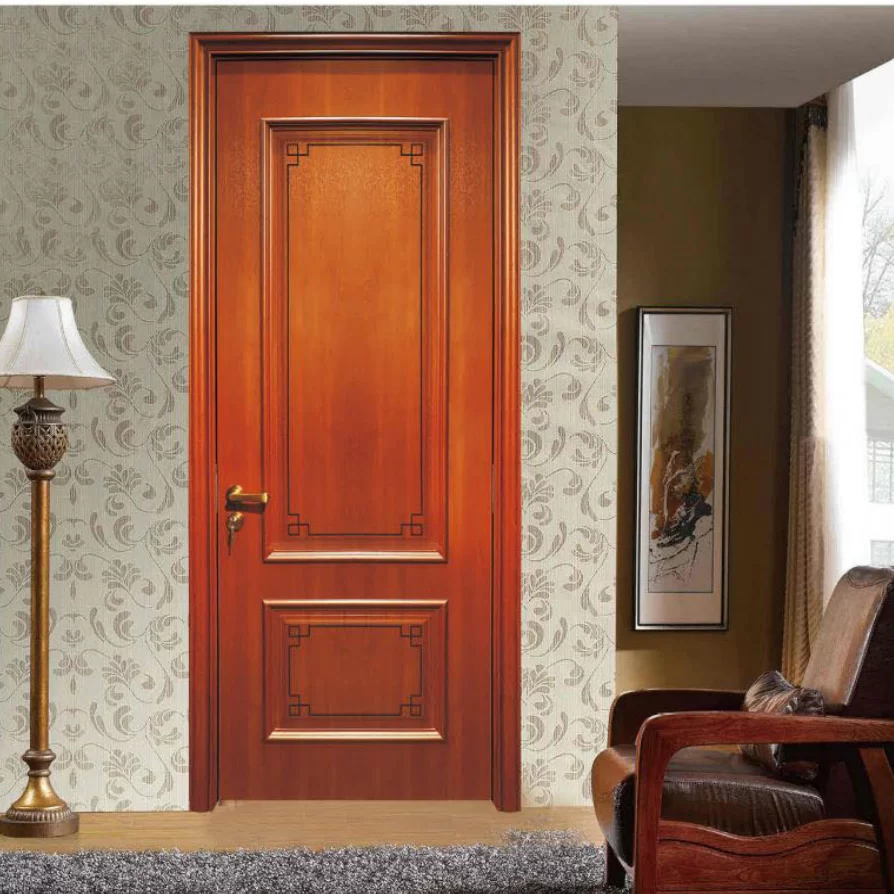
High-quality painted door with a smooth baked finish, offering durability, modern appearance, and long-lasting color.
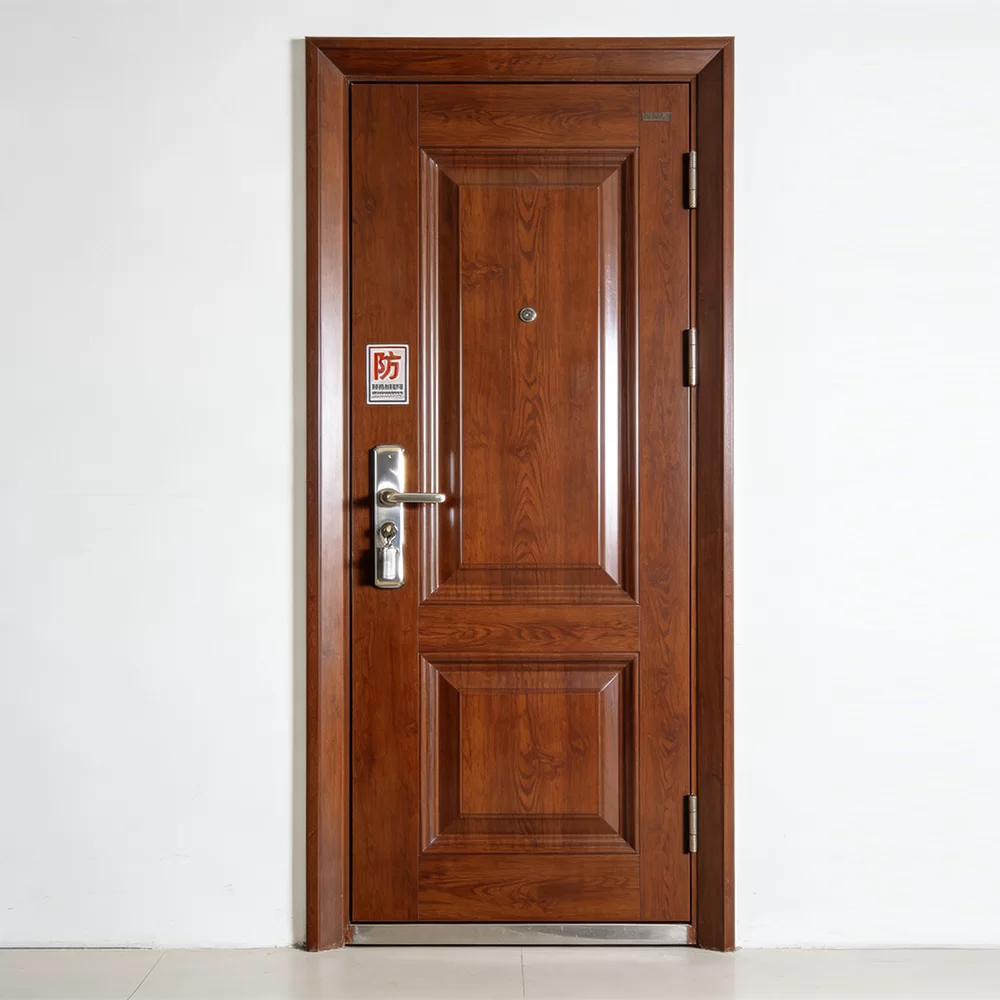
Timber Fire Doors – Certified Safety Solutions
Engineered Wood Fire Doors for Global Projects
Premium Timber Fire-Rated Door Systems
Sustainable Wood Fire Doors with UL/EN Certifications
Timber Fire Doors – Safety Meets Aesthetics
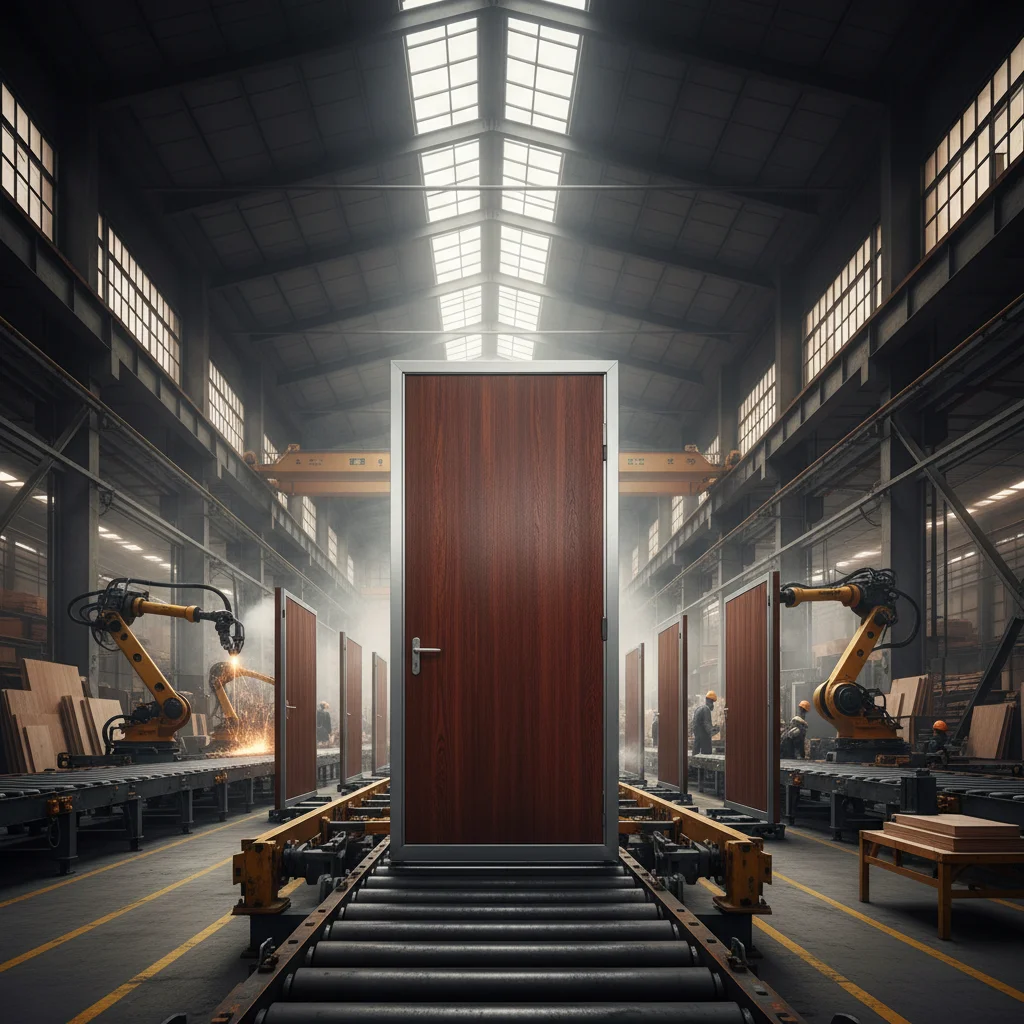
Our timber fire doors provide reliable fire and smoke protection for commercial, healthcare, and residential buildings. Engineered to meet UL, EN, and CE standards, they combine natural wood aesthetics with exceptional fire resistance, ideal for corridors, staircases, and public spaces.
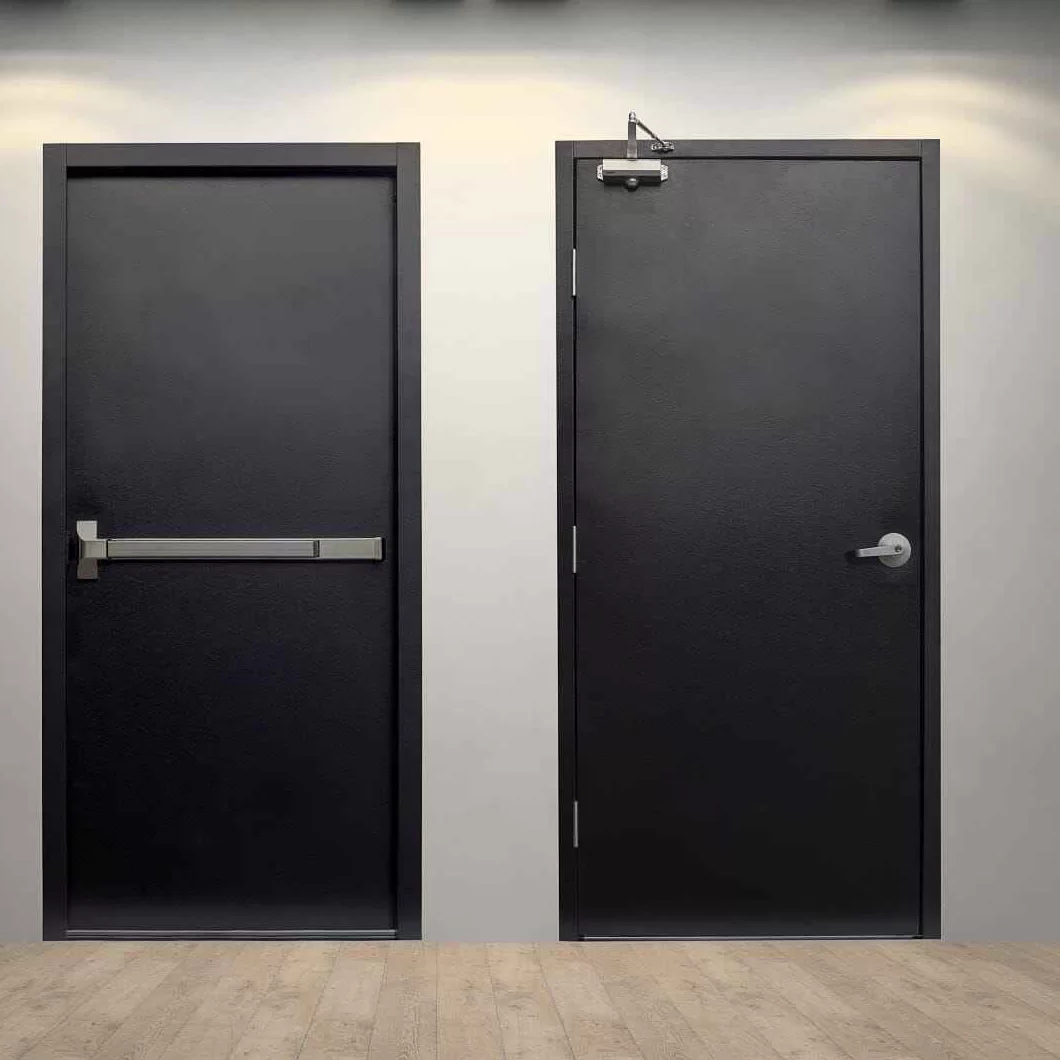
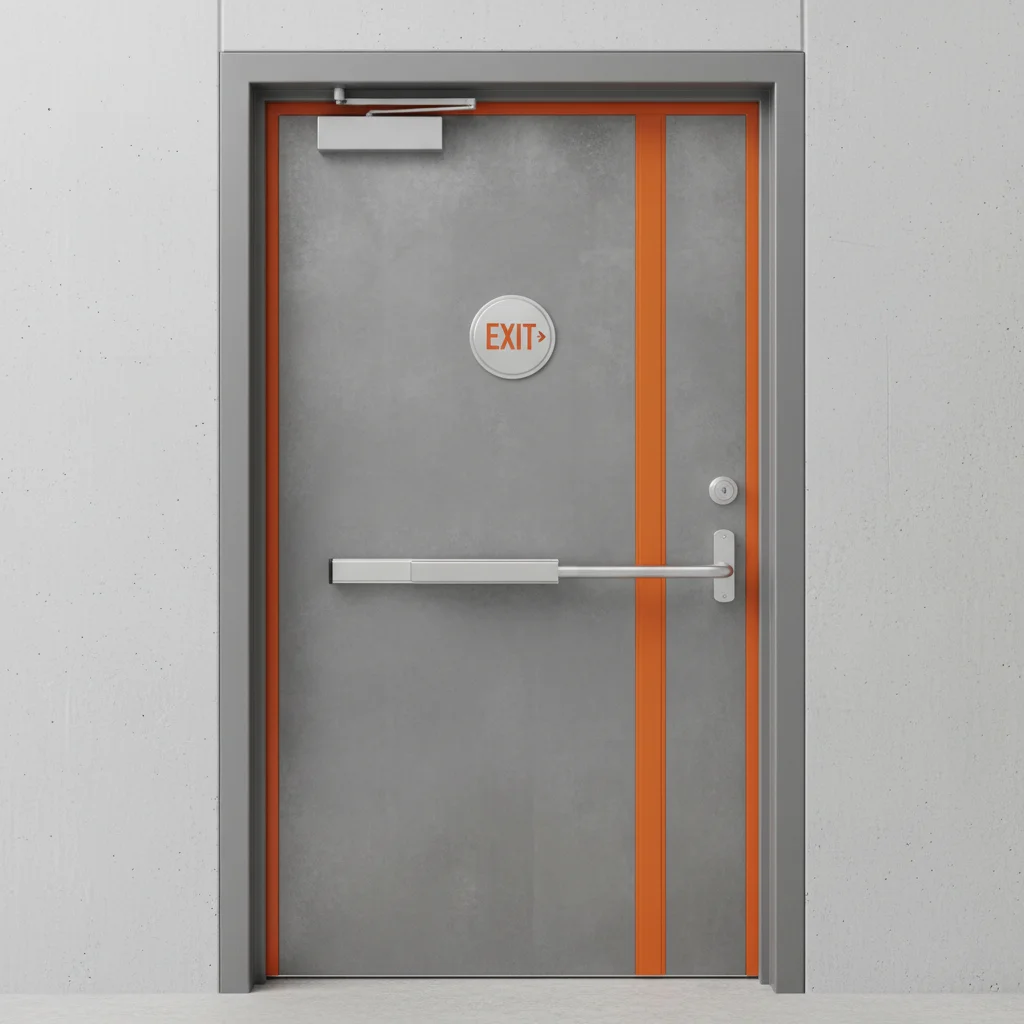
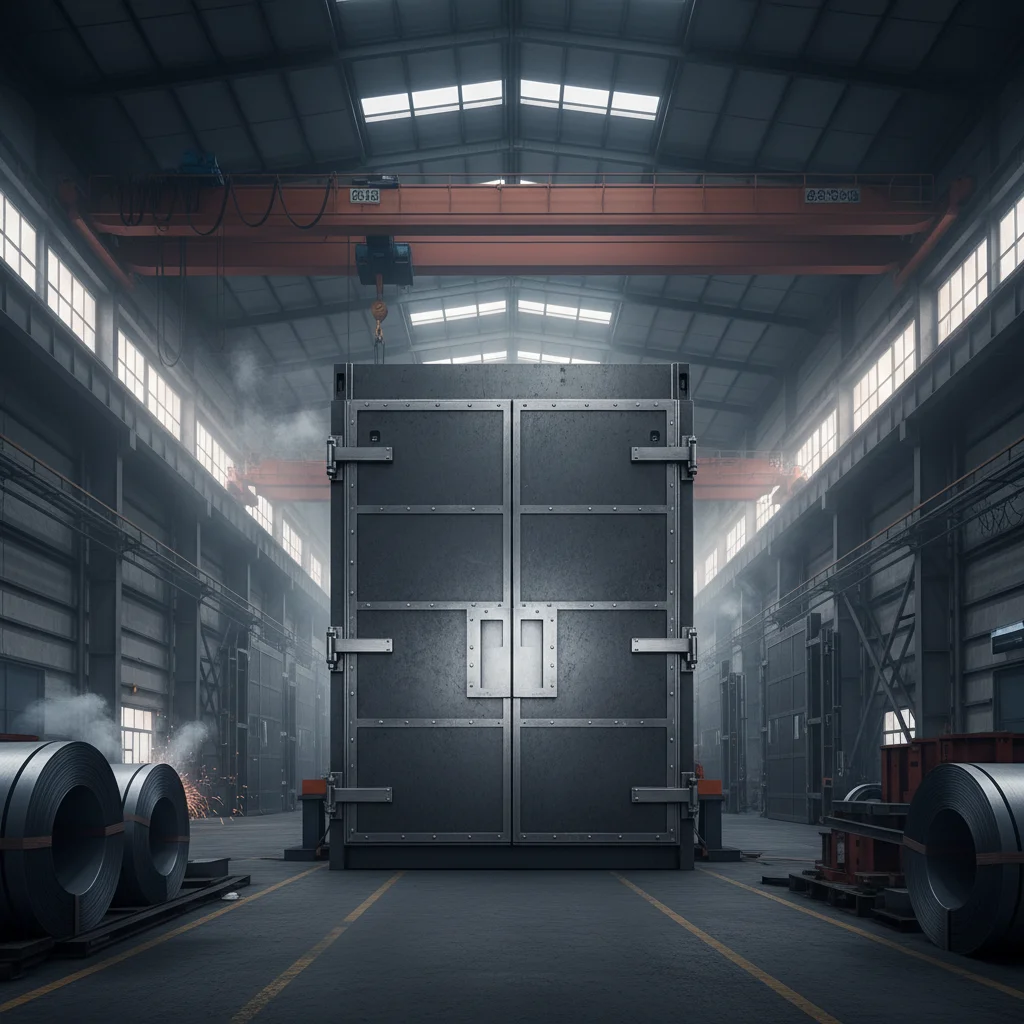
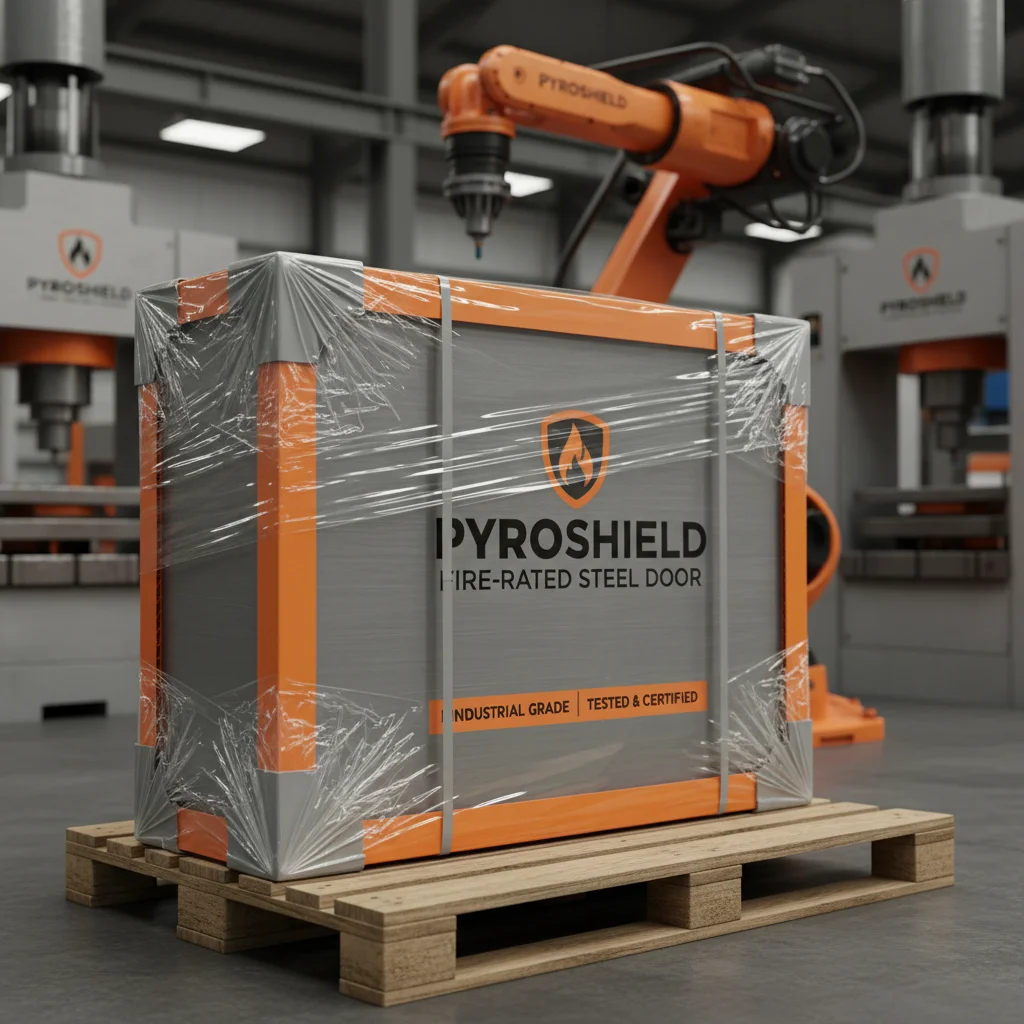
Steel fire doors are designed to protect lives and property by containing fire, heat, and smoke in critical areas. Widely used in hospitals, hotels, factories, and high-rise buildings, they feature certified UL and EN performance, durable steel construction, and complete tested door-set systems for reliable safety.
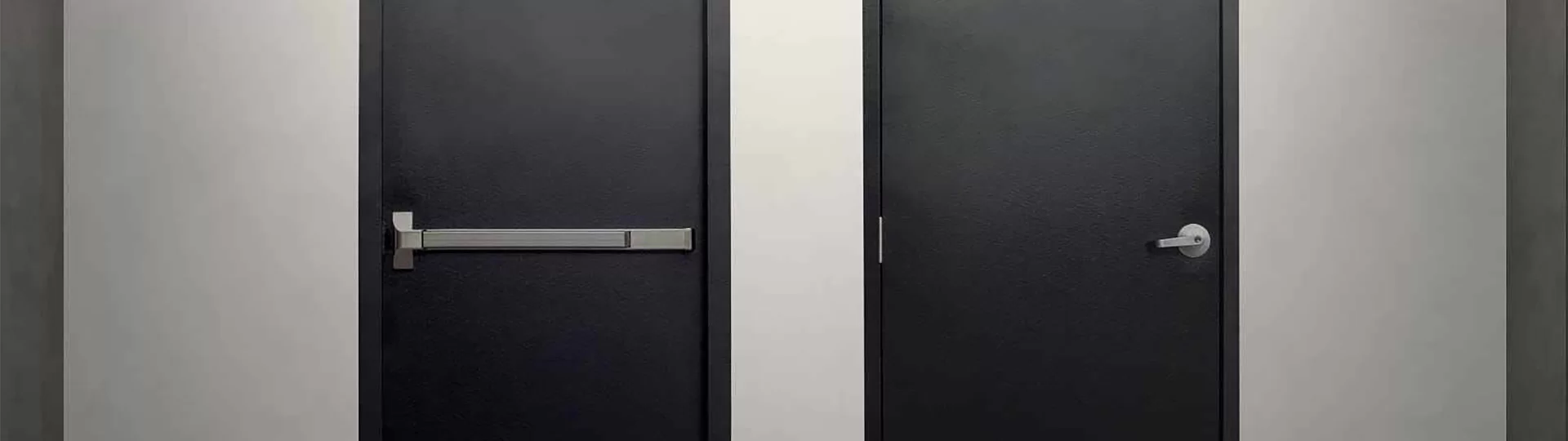
Professional Fireproof Door
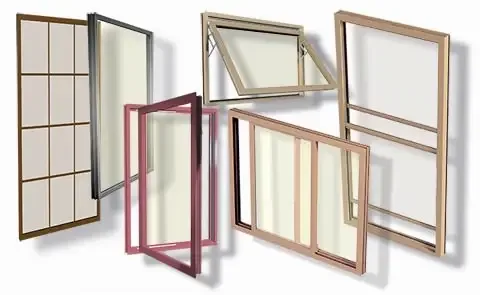
Fire-rated windows are essential elements in contemporary fire safety design, offering both protection and transparency. Unlike ordinary windows, fire-rated windows are specifically engineered to resist fire, heat, and smoke for a defined period while still allowing natural light to pass through.
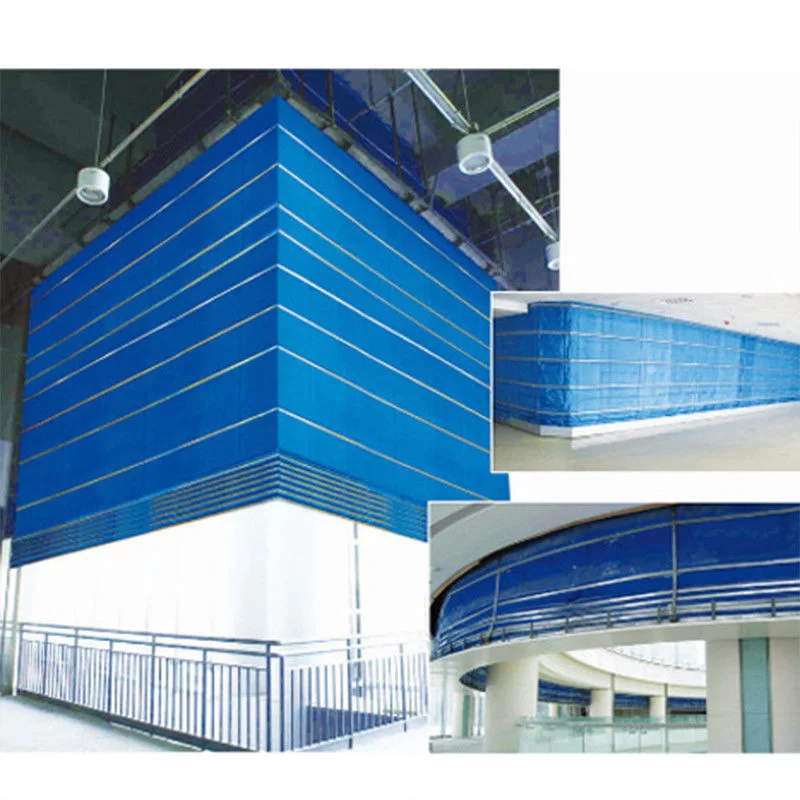
Rolling shutter doors are widely used in commercial, industrial, and public buildings due to their durability, space-saving design, and high security performance.
Fire doors play a vital role in modern building fire protection systems. Designed to resist the spread of fire and smoke, fire doors are essential safety components in residential, commercial, and industrial buildings.