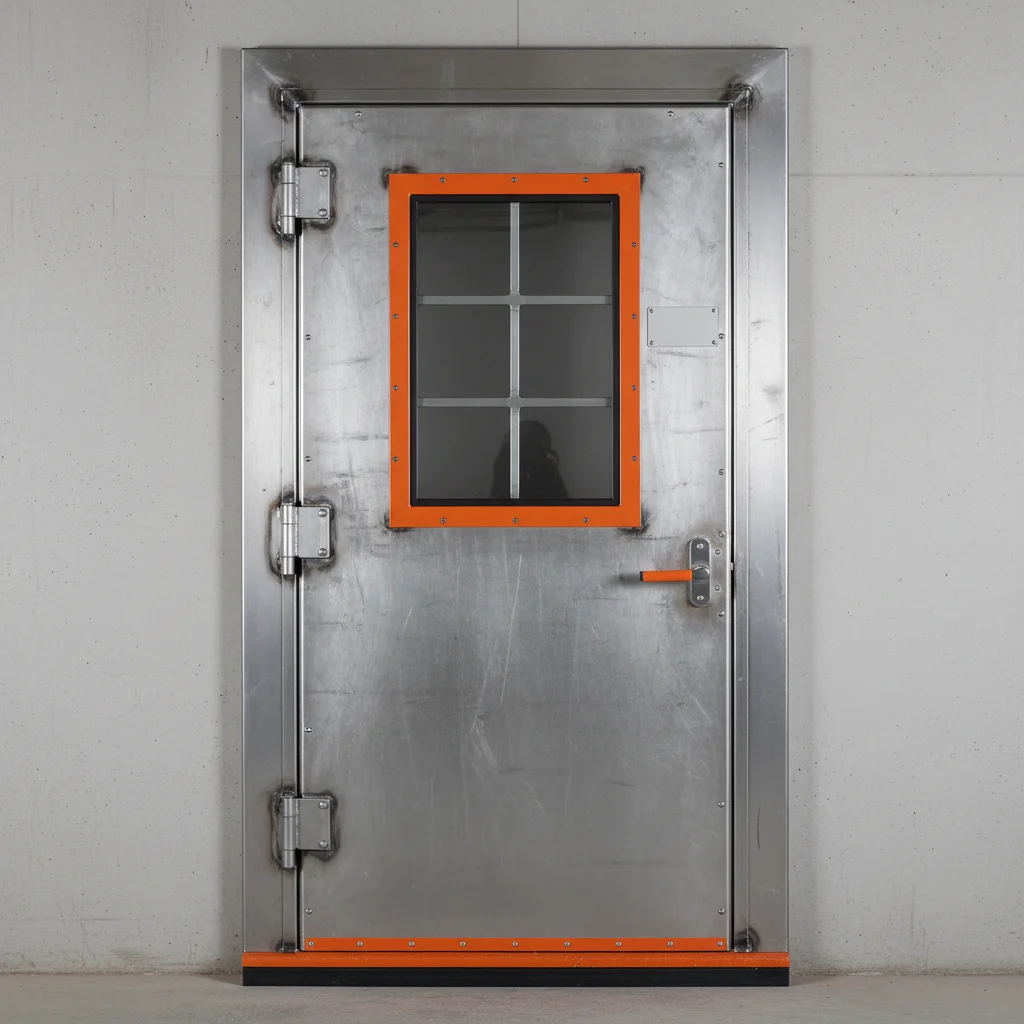
In the critical realm of life safety and architectural integrity, the implementation of a high-quality fire steel door serves as the first line of defense against the uncontrollable spread of flames and smoke. These specialized barriers are not merely architectural components but are precision-engineered safety devices designed to compartmentalize buildings, providing precious minutes for evacuation and emergency response. Understanding the technical nuances of these systems is essential for architects, facility managers, and safety officers worldwide.
Globally, the demand for certified fire-rated steel solutions has surged as urban density increases and building heights reach new extremes. With the rise of complex industrial complexes and high-rise residential towers, the reliance on a robust fire steel door has become a non-negotiable standard in international building codes. The integration of advanced metallurgy and thermal insulation ensures that these doors can withstand extreme temperatures while maintaining structural stability.
By focusing on the synergy between durability and safety, modern fire protection strategies aim to minimize casualties and property loss. Investing in the right fire-rated steel infrastructure is not just a matter of regulatory compliance; it is a commitment to human life and sustainable urban development. This guide explores the comprehensive technicalities, applications, and future innovations of fire-resistant steel apertures in today's construction landscape.
Global Standards and the Role of Fire Steel Doors
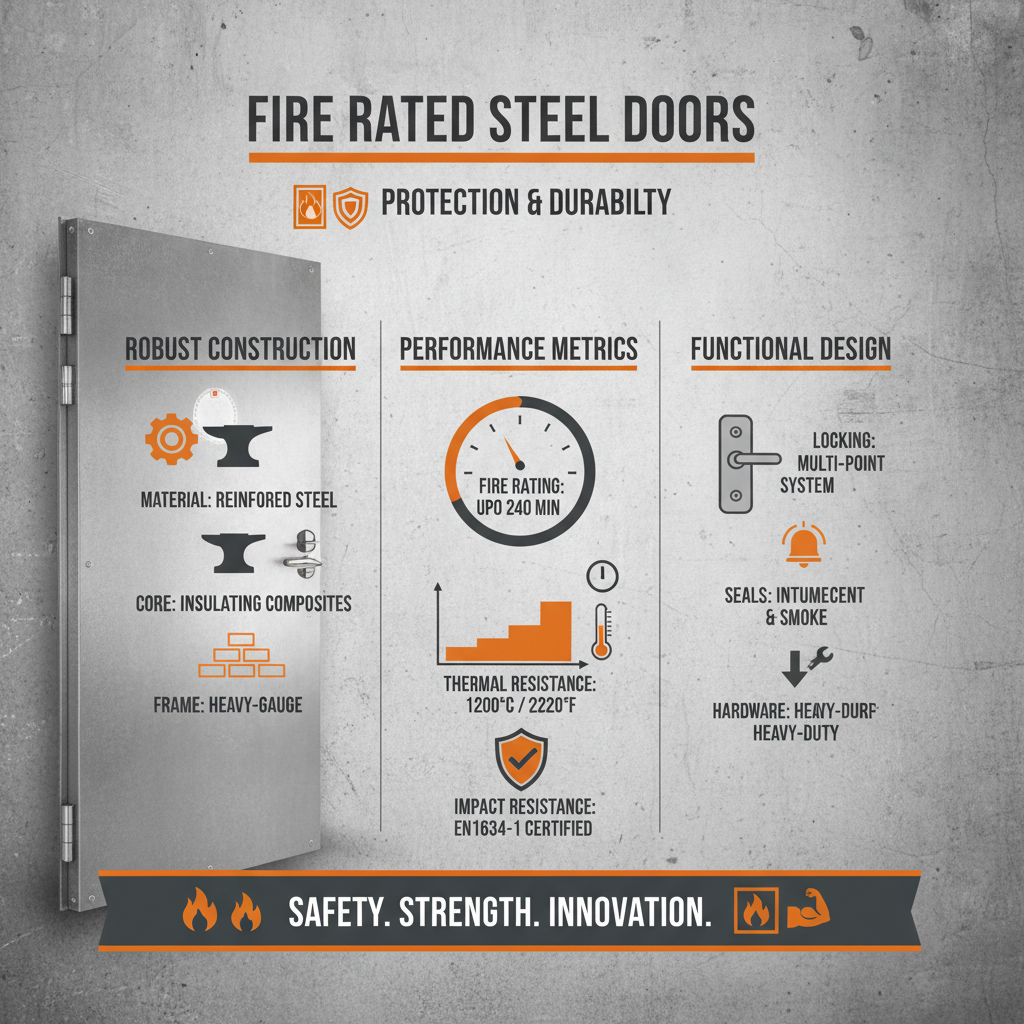
The global landscape of fire safety is governed by stringent standards such as ISO, UL (Underwriters Laboratories), and EN (European Norms). A certified fire steel door is tested under extreme conditions to ensure it can block the passage of fire for specific durations, typically ranging from 60 to 240 minutes. These certifications provide a universal language of safety, ensuring that regardless of where a building is constructed, the life-saving equipment meets a minimum performance threshold.
The challenge arises in the rapid urbanization of emerging economies, where building speeds often outpace safety inspections. This gap creates a critical need for prefabricated, high-reliability steel fire barriers that can be easily installed and verified. By adhering to global benchmarks, manufacturers ensure that their products not only meet legal requirements but actively reduce the risk of catastrophic "chimney effects" in high-rise structures.
Technical Definitions and Industrial Significance
In simple technical terms, a fire steel door is a heavy-duty assembly consisting of a steel frame and a steel leaf, filled with specialized fire-resistant insulating materials. Unlike standard interior doors, these are designed to remain structurally sound while being subjected to temperatures exceeding 1,000 degrees Celsius, preventing the transfer of heat (conduction) and the passage of flames (convection) between separate fire zones.
From an industrial perspective, these doors are the cornerstone of "Passive Fire Protection" (PFP). While active systems like sprinklers attempt to extinguish a fire, passive systems like the fire steel door are designed to contain it. This containment is vital for protecting critical infrastructure, such as server rooms, electrical vaults, and emergency exit stairwells, ensuring that the building's core remains safe even if a peripheral area is compromised.
The humanitarian significance of these systems cannot be overstated. In densely populated metropolitan areas, a single failure in fire compartmentalization can lead to mass casualties. Therefore, the evolution of the fire steel door from a basic metal slab to a high-tech safety composite represents a significant leap in our ability to protect human life in the modern built environment.
Core Components for Maximum Thermal Resistance
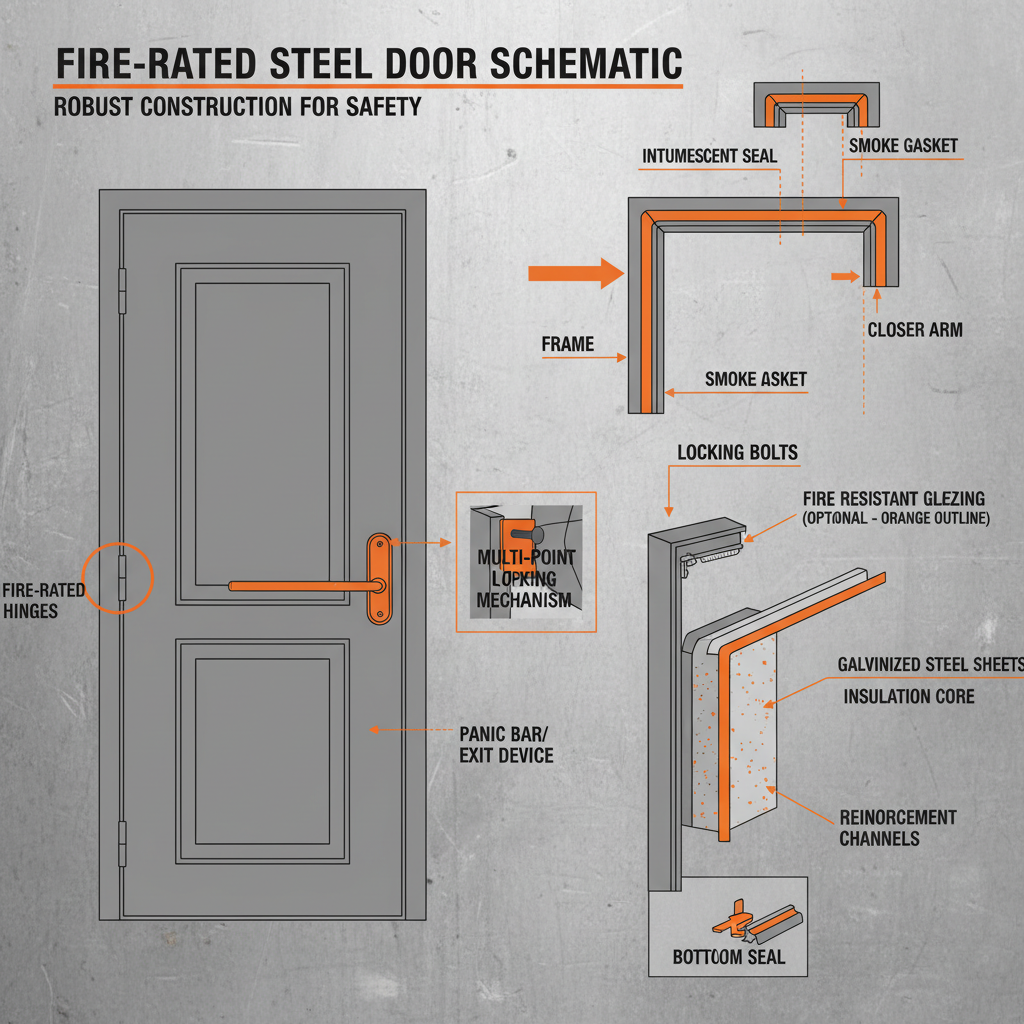
The effectiveness of a fire steel door depends heavily on its cold-rolled steel skin. High-grade galvanized steel is typically used to prevent corrosion and provide the necessary rigidity to withstand the pressure changes caused by intense heat and rapid cooling during firefighting operations.
At the heart of the assembly is the core insulation, often composed of mineral wool, honeycomb paper, or ceramic fibers. This core is what allows the fire steel door to maintain a low temperature on the non-fire side, preventing "auto-ignition" of materials in the adjacent room and allowing people to touch the door to check for heat.
Finally, the intumescent seals are the "invisible heroes" of the system. When exposed to heat, these seals expand rapidly to fill the gaps between the door leaf and the frame, creating an airtight seal that blocks lethal smoke and toxic gases, which are often more deadly than the flames themselves.
Performance Metrics and Durability Factors
Evaluating the performance of a fire steel door requires a look at several key metrics: the fire-resistance rating (FRR), structural integrity, and insulation capacity. Integrity refers to the door's ability to resist gaps or cracks, while insulation focuses on the temperature rise on the unexposed surface. A high-performance door must balance these factors without compromising the ease of operation for users.
Durability is equally critical, as these doors must function perfectly after years of daily use. Factors such as hinge strength, the quality of the powder coating, and the reliability of the self-closing mechanisms are what separate industrial-grade solutions from budget alternatives.
Performance Comparison of Fire Steel Door Configurations
Global Applications and Sector Use Cases
The application of a fire steel door spans across diverse environments. In the healthcare sector, they are used to create smoke-free corridors in hospitals, ensuring that patients who cannot move independently are protected from the hazards of a fire. In the industrial sector, these doors are critical in chemical plants and warehouses where volatile materials are stored, preventing a localized fire from becoming a site-wide disaster.
Furthermore, in high-density residential complexes in cities like Tokyo, New York, or London, these doors are strategically placed in stairwells and utility shafts. In remote industrial zones, such as oil rigs or mining facilities, the fire steel door is often enhanced with anti-corrosive coatings to withstand harsh saline or acidic environments while maintaining its primary safety function.
Long-Term Value and Safety Advantages
The long-term value of installing a premium fire steel door extends far beyond the initial purchase price. From a financial perspective, building owners often see a significant reduction in insurance premiums when they can prove the installation of certified, high-performance fire barriers. The longevity of steel means that these doors require minimal maintenance compared to fire-rated timber alternatives, which can warp or degrade over time.
Beyond the economics, there is the emotional value of "peace of mind." Knowing that a facility is equipped with reliable fire protection creates a culture of safety and trust among employees and residents. This psychological security is a tangible asset for any organization, fostering a healthier and more productive environment.
Finally, the reliability of steel in extreme conditions ensures that the dignity of human life is preserved during a crisis. By providing a predictable and stable escape route, these doors transform a chaotic emergency into a manageable evacuation process, embodying the pinnacle of innovative safety engineering.
Future Innovations in Fire-Rated Steel Technology
The future of the fire steel door is being shaped by the digital transformation of the construction industry. We are seeing the integration of "Smart Sensors" that can detect smoke or heat and automatically trigger the closure of doors via electromagnetic releases, reducing the reliance on manual closure and human error.
Sustainability is also driving innovation. New alloys are being developed that offer the same fire-resistant properties as traditional steel but with a lower carbon footprint during production. The move toward "Green Steel" ensures that safety does not come at the cost of the planet, aligning fire protection with global ESG (Environmental, Social, and Governance) goals.
Additionally, the application of Nano-coatings is enhancing the thermal reflection capabilities of steel surfaces. These coatings reflect radiant heat more effectively, further lowering the temperature on the safe side of the door and extending the time available for emergency services to act.
Comparative Analysis of Fire Steel Door Technologies
| Technology Type |
Thermal Efficiency |
Installation Complexity |
Life Cycle Cost |
| Traditional Galv Steel |
Moderate |
Low |
Medium |
| Mineral Wool Core |
High |
Medium |
Low |
| Smart-Integrated Door |
Very High |
High |
Medium |
| Nano-Coated Steel |
Extreme |
Medium |
High |
| Eco-Green Steel |
High |
Low |
Low |
| Composite Alloy |
High |
Medium |
Medium |
FAQS
A high-quality fire steel door can last 20 to 30 years if properly maintained. The steel structure itself is incredibly durable, but the key is ensuring that the self-closing mechanisms and intumescent seals are inspected annually. If the door is exposed to corrosive environments, an upgraded powder coating can extend its lifespan significantly.
Yes, but you must use approved, non-combustible paints. Using thick, flammable oil-based paints can technically compromise the fire rating by providing fuel to the fire or interfering with the expansion of intumescent seals. Always refer to the manufacturer's guidelines and the certification body (like UL or EN) for approved coating methods.
The difference lies in the thickness of the steel and the density of the internal insulating core. A 120-minute fire steel door is engineered to withstand intense heat for double the time of a 60-minute door, typically used in high-risk areas like boiler rooms or main escape stairwells where evacuation takes longer.
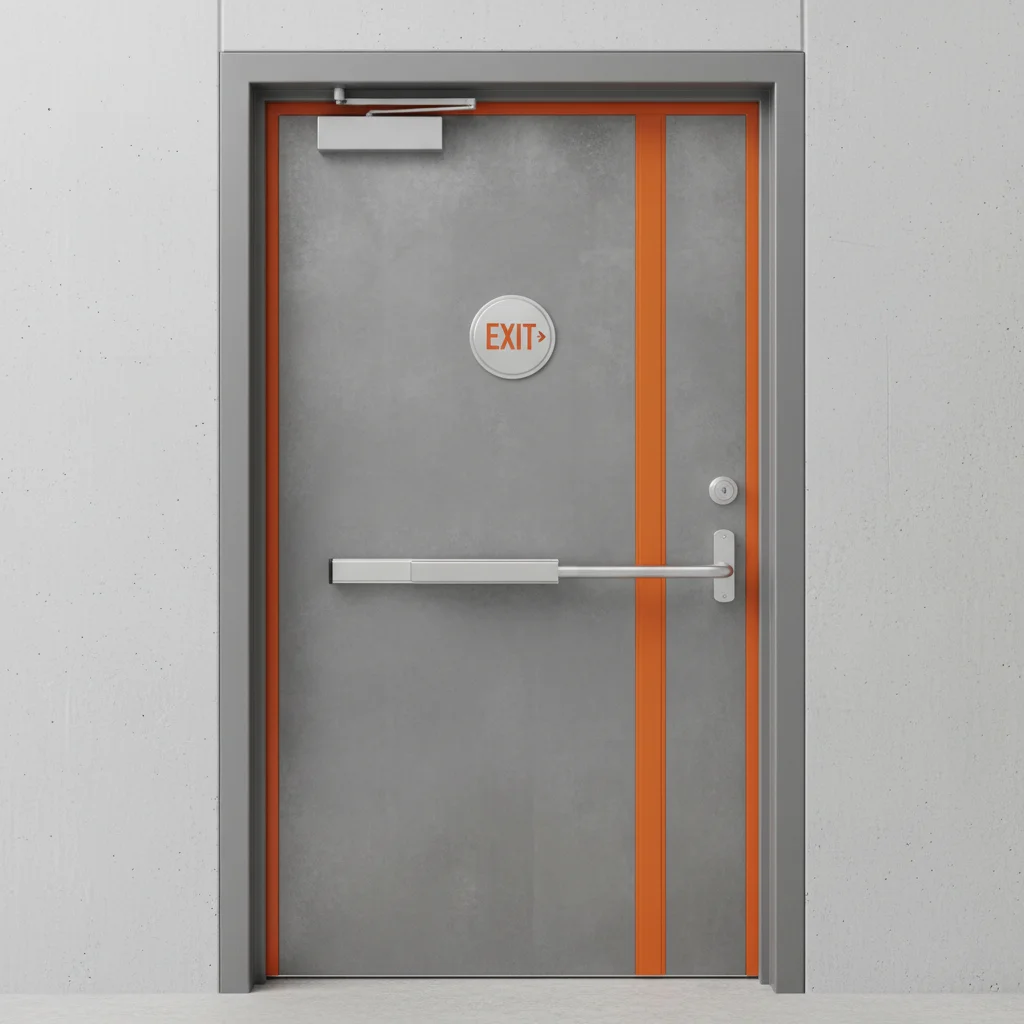
A correct installation is characterized by a tight fit with no visible gaps when closed, a smooth self-closing action that latches the door fully, and the presence of an official certification label on the hinge side of the door. Any sagging or failure to latch automatically renders the door ineffective during a fire.
Due to their dense construction and the use of insulating cores like mineral wool, fire steel doors naturally offer excellent acoustic insulation. While not specifically designed as "acoustic doors," they are significantly more effective at blocking noise than standard interior doors, making them ideal for mechanical rooms.
Initially, a fire steel door may have a higher purchase price. However, when considering the total cost of ownership—including durability, resistance to warping, and lower maintenance requirements—steel is almost always more cost-effective over the building's lifecycle and provides a higher level of safety.
Conclusion
In summary, the fire steel door is an indispensable component of modern safety architecture, merging advanced metallurgy with rigorous testing standards to protect lives and assets. From the critical role of intumescent seals to the strategic implementation of fire zones, every detail of these systems is engineered to fight the clock during a fire emergency. By prioritizing quality materials and adhering to global certifications, building owners ensure that their structures are not just compliant, but truly resilient.
Looking forward, the integration of smart technology and sustainable materials will continue to elevate the performance of fire-rated steel solutions. As urban environments become more complex, the shift toward intelligent, eco-friendly fire barriers will be paramount. We encourage architects and developers to invest in high-specification fire steel doors today to safeguard the inhabitants of tomorrow. Visit our website for professional solutions: www.cnbuildhive.com