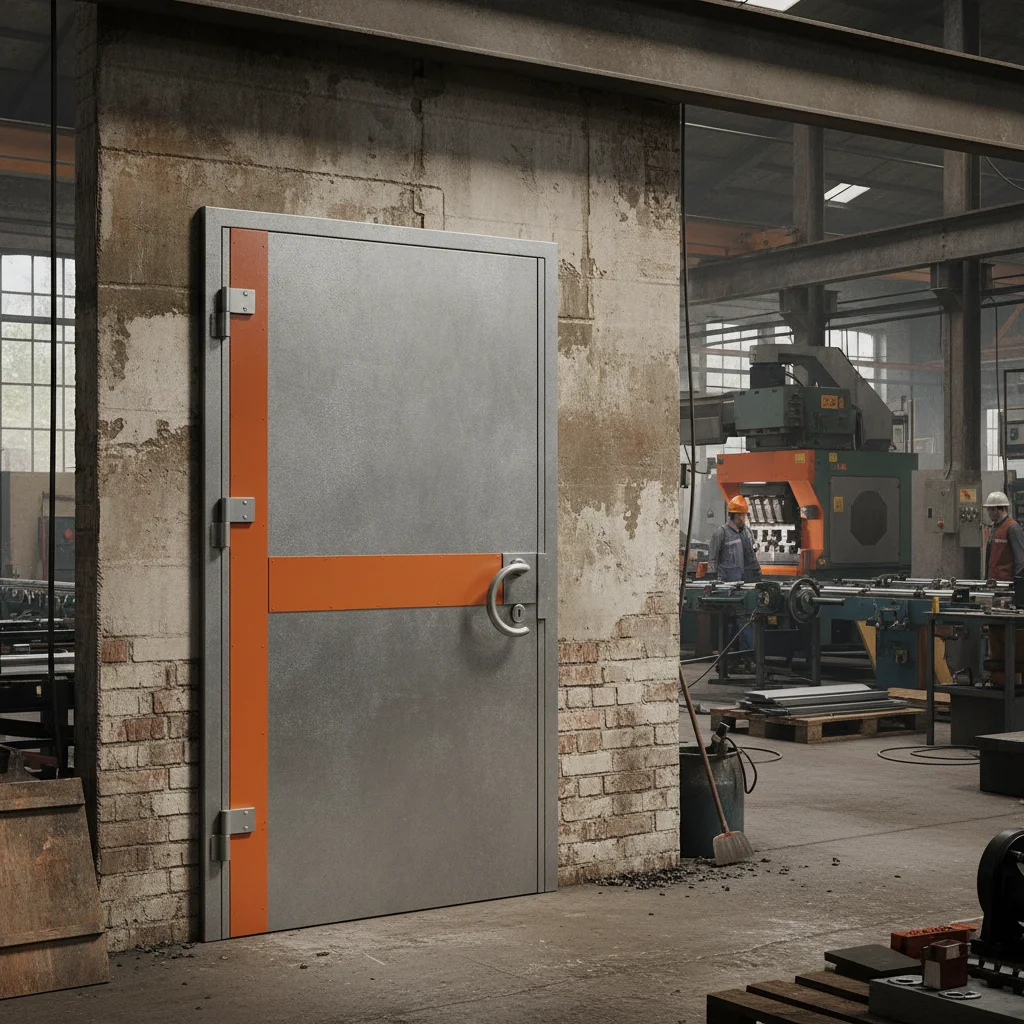
Ensuring the safety of modern infrastructure requires a rigorous approach to fire containment, where the installation of a high-quality fire rated steel door serves as the first line of defense against catastrophic loss. These specialized barriers are engineered to prevent the spread of flames and toxic smoke, providing critical evacuation time for occupants and protecting structural integrity during emergency events.
Globally, the demand for certified fire protection has surged as urban density increases and building codes become more stringent. Understanding the technical specifications, material composition, and installation requirements of these systems is no longer just a regulatory necessity but a fundamental aspect of responsible architectural design and facility management.
By integrating advanced metallurgy with precise engineering, a professional fire rated steel door offers a blend of security, durability, and life-saving performance. This guide explores the critical role these components play in modern safety ecosystems and how to select the right solutions for diverse industrial and commercial environments.
Global Relevance of Fire Rated Steel Doors
On a global scale, the implementation of a certified fire rated steel door is dictated by international safety standards such as ISO and UL. With the rise of high-rise commercial complexes and massive industrial warehouses, the risk of rapid fire spread has become a primary concern for urban planners. Data from global fire safety audits suggest that properly compartmentalized buildings reduce casualty rates by over 40% during major fire incidents.
The challenge lies in balancing aesthetic requirements with strict safety mandates. Many developers struggle to find solutions that meet the rigorous heat-resistance ratings required by law while maintaining the flow of foot traffic and the visual appeal of the interior. This is where precision-engineered steel solutions become indispensable, offering a reliable barrier that does not compromise the building's operational efficiency.
Defining the Fire Rated Steel Door Standard
In simple terms, a fire rated steel door is a specialized assembly designed to resist the passage of fire, heat, and smoke for a specified period—typically 20, 60, 90, or 180 minutes. Unlike standard steel doors, these are constructed with an internal core of mineral wool or other fire-retardant materials that prevent the steel skin from warping or failing under extreme temperatures.
From an industry perspective, these doors are the cornerstone of "passive fire protection." While sprinklers and alarms are active systems, the fire door acts as a permanent, static safeguard. Its primary role is to create "fire cells" within a building, ensuring that a fire starting in one room is contained, thereby protecting escape routes and allowing emergency responders to tackle the blaze more effectively.
Modern humanitarian and urban needs have pushed these standards further. In hospitals, data centers, and chemical plants, the requirement extends beyond just flame resistance to include smoke leakage prevention and acoustic insulation, making the fire rated steel door a multi-functional component of critical infrastructure.
Core Components of High-Performance Fire Doors
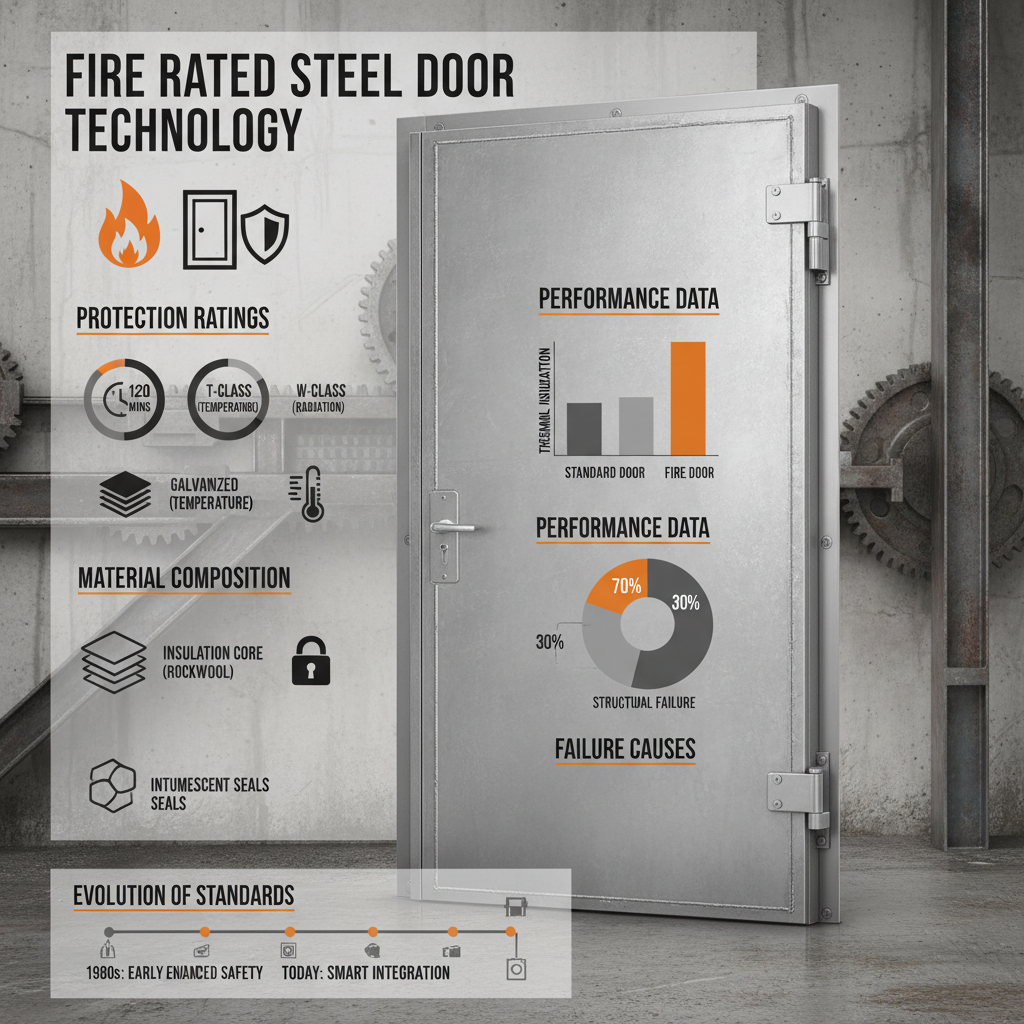
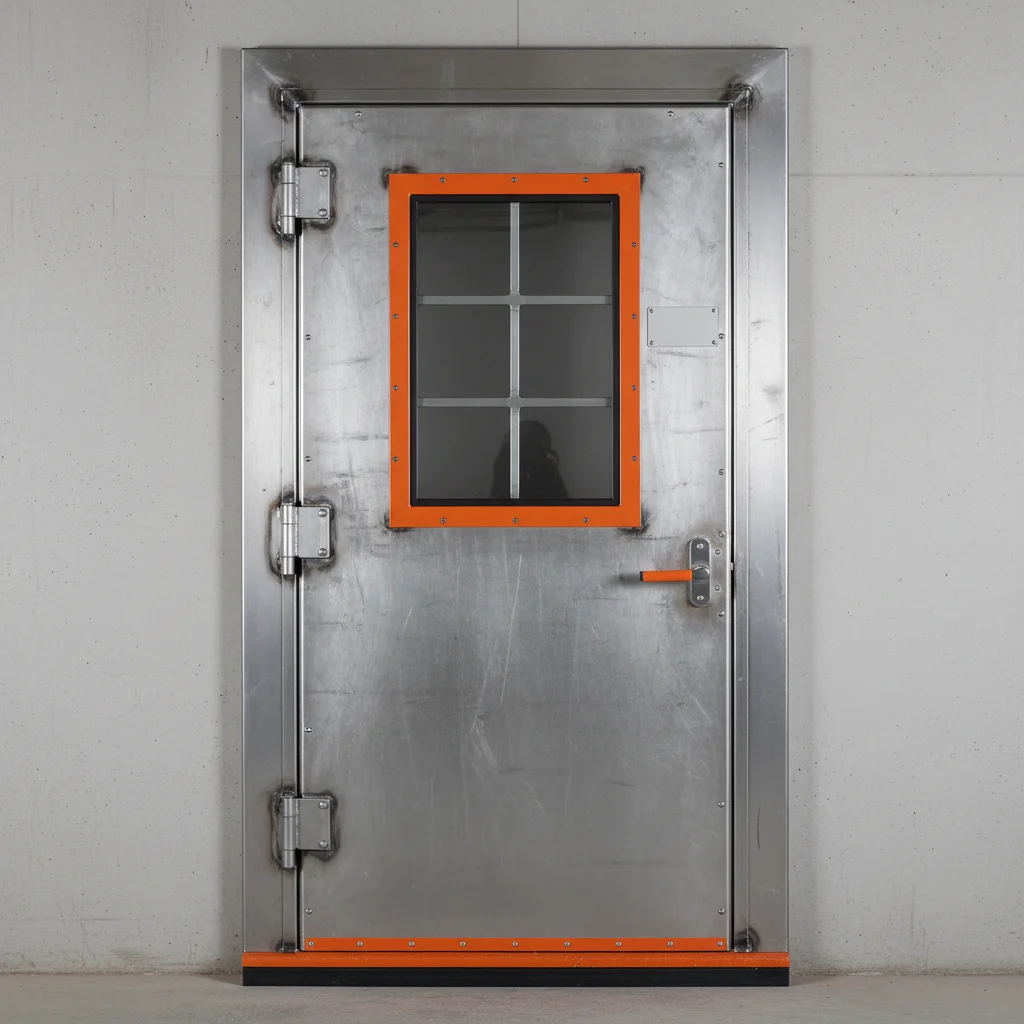
The efficacy of a fire rated steel door depends on the synergy of its components. The outer skin is typically made of cold-rolled galvanized steel, providing the necessary structural strength and corrosion resistance. This shell protects the interior insulation, which is the heart of the door's thermal resistance.
Critical to the system are the intumescent seals. These specialized strips expand when exposed to heat, sealing the gaps between the door leaf and the frame. Without these seals, a fire rated steel door would allow toxic smoke to seep through, which is often more lethal than the flames themselves in an enclosed environment.
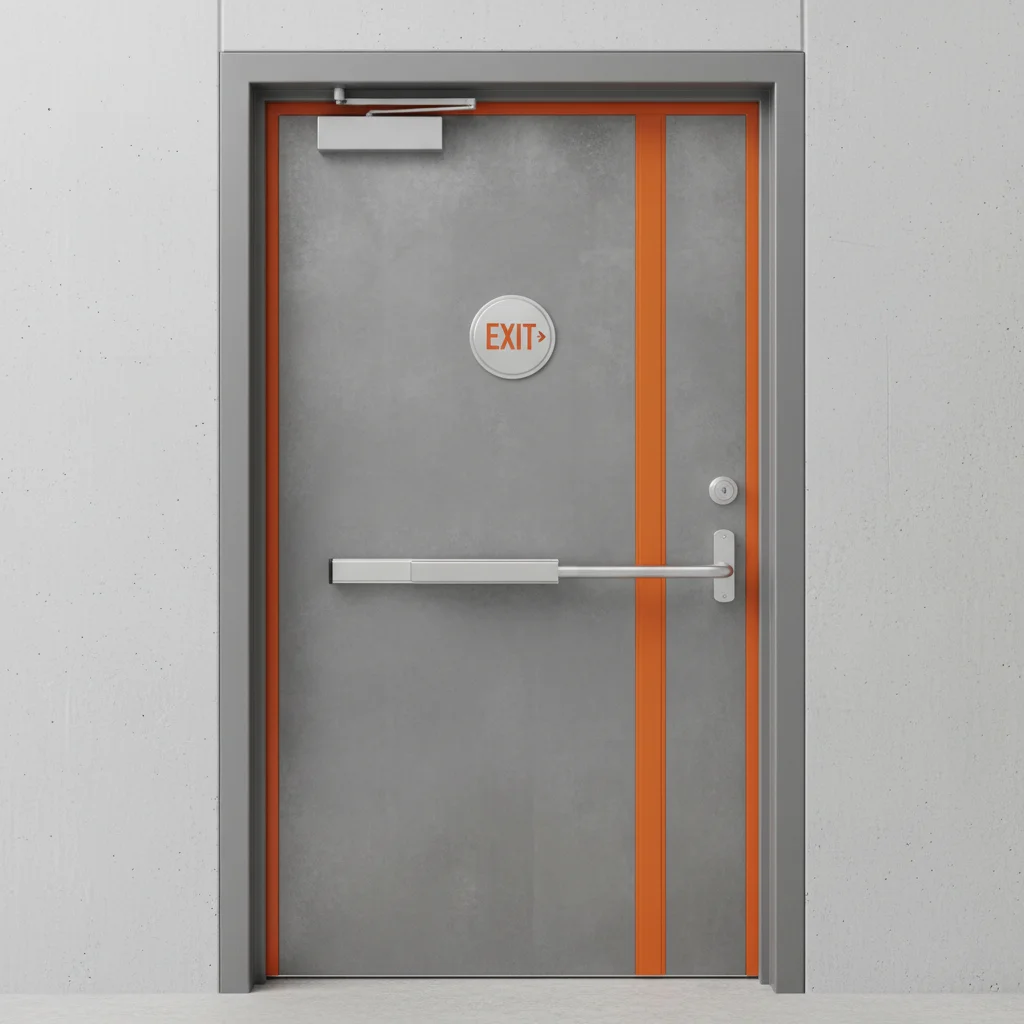
Finally, the hardware—including heavy-duty hinges, panic bars, and automatic closers—must be fire-rated themselves. A door that fails to close fully or whose hinges melt under heat cannot perform its duty. Every element of the assembly is tested as a single unit to ensure reliability under the most grueling conditions.
Performance Metrics and Durability Factors
Evaluating the quality of a fire rated steel door involves analyzing its thermal conductivity and structural stability over time. High-grade steel doors are tested in furnaces to ensure they do not buckle or allow heat transfer to the non-fire side, which could potentially ignite materials in adjacent rooms.
Durability is not just about fire; it's about daily wear and tear. In high-traffic corridors, these doors must withstand thousands of cycles without sagging or losing their seal integrity. The integration of reinforced frames and precision-engineered pivots ensures that the door maintains a tight seal for decades.
Comparative Performance Analysis of Fire Door Variations
Industrial Applications and Use Cases
The versatility of the fire rated steel door allows it to be deployed across various sectors. In commercial office buildings, they are typically found in stairwells and utility rooms to protect exit paths. In hospitality, they are integrated into guest room entries to ensure occupant safety while maintaining a high-end aesthetic through customized veneers.
More demanding environments, such as oil refineries or chemical processing plants, utilize reinforced versions of these doors. In these remote industrial zones, doors are often combined with automated closing mechanisms linked to smoke detectors, ensuring that the facility is compartmentalized instantly upon the detection of a hazard, even if personnel are not immediately present to close them.
Long-Term Value and Safety Advantages
Investing in a premium fire rated steel door provides tangible long-term value by reducing insurance premiums and ensuring full compliance with local building codes. Beyond the financial aspect, the logical advantage is the reliability of a system that does not require power to function—providing peace of mind that the building's shell will remain intact during a crisis.
From an emotional standpoint, these doors represent a commitment to the dignity and safety of every individual who enters the building. The trust placed in these barriers is absolute; they are the silent guardians that prevent a manageable incident from becoming a tragedy. This reliability fosters a culture of safety within the workplace and public spaces.
Furthermore, the sustainability of steel as a material adds to the value. Steel is infinitely recyclable, and a well-manufactured door can last for decades with minimal maintenance. This reduces the lifecycle cost and the environmental impact compared to shorter-lived fire-resistant materials.
Future Innovations in Fire Protection Technology
The future of the fire rated steel door is being shaped by the digital transformation of the construction industry. We are seeing the integration of "smart sensors" within the door frames that can alert facility managers in real-time if a fire door has been propped open or if the seal has degraded, ensuring the building remains compliant 24/7.
Material science is also evolving, with the development of ultra-lightweight aerogel composites that provide superior thermal insulation without the bulk of traditional mineral wool. These innovations allow for thinner, more elegant door profiles that offer higher fire ratings, merging high-tech performance with modern architectural minimalism.
Additionally, automation is playing a larger role. Future systems will likely feature synchronized closure sequences, where doors close in a specific order to steer occupants toward the safest exit based on the fire's location, utilizing AI-driven building management systems to optimize evacuation flow.
Technical Comparison of Fire Door Material Standards
| Material Type |
Fire Resistance |
Weight Ratio |
Longevity Score |
| Cold-Rolled Steel |
High |
Medium |
9/10 |
| Galvanized Steel |
High |
Medium |
10/10 |
| Mineral Wool Core |
Extreme |
High |
8/10 |
| Honeycomb Core |
Medium |
Low |
7/10 |
| Aerogel Composite |
Extreme |
Very Low |
9/10 |
| Stainless Steel |
High |
High |
10/10 |
FAQS
A fire door is a general term for any door designed to resist fire, which can include wood or glass. A fire rated steel door specifically uses steel as the primary material, offering superior strength, higher heat resistance, and better durability against impact, making it the preferred choice for industrial and high-risk commercial areas.
Generally, fire doors should undergo a thorough inspection every six to twelve months. Experts check for gaps in the seals, ensure the automatic closers function correctly, and verify that the door latches securely. In high-traffic industrial zones, monthly visual checks are recommended to prevent safety lapses.
Yes, you can paint them, but you must use approved, non-combustible paints. Using thick, flammable oil-based paints can potentially compromise the fire rating or produce toxic fumes during a fire. Always consult the manufacturer's guidelines to ensure the finish does not interfere with the intumescent seals.
A 60-minute rating means the door assembly has been laboratory-tested to successfully block the passage of fire and prevent the non-fire side from reaching a critical temperature for at least one hour. This provides a guaranteed window of time for evacuation and for fire services to arrive.
While their primary purpose is fire safety, the dense core materials used in a fire rated steel door naturally provide excellent sound attenuation. Many specialized models are designed to meet both STC (Sound Transmission Class) and fire ratings, making them ideal for hospitals and luxury hotels.
Look for a permanent certification label or "tag" on the hinge edge of the door. This tag lists the manufacturer, the fire rating (e.g., 90 min), and the testing standard (e.g., UL 10C). If the label is missing or defaced, the door may not pass a building safety inspection.
Conclusion
In summary, the fire rated steel door is much more than a simple architectural barrier; it is a sophisticated safety system that integrates advanced metallurgy, thermal insulation, and precision engineering to save lives. From the critical role of intumescent seals to the long-term durability of galvanized steel, every detail is designed to provide a reliable shield against the unpredictable nature of fire.
As building technologies evolve and urban environments become more complex, the commitment to high-standard fire protection must remain unwavering. By prioritizing certified materials and staying abreast of smart-door innovations, developers and facility managers can ensure a safer, more resilient future for their occupants. To secure your facility with industry-leading protection, visit our website: www.cnbuildhive.com