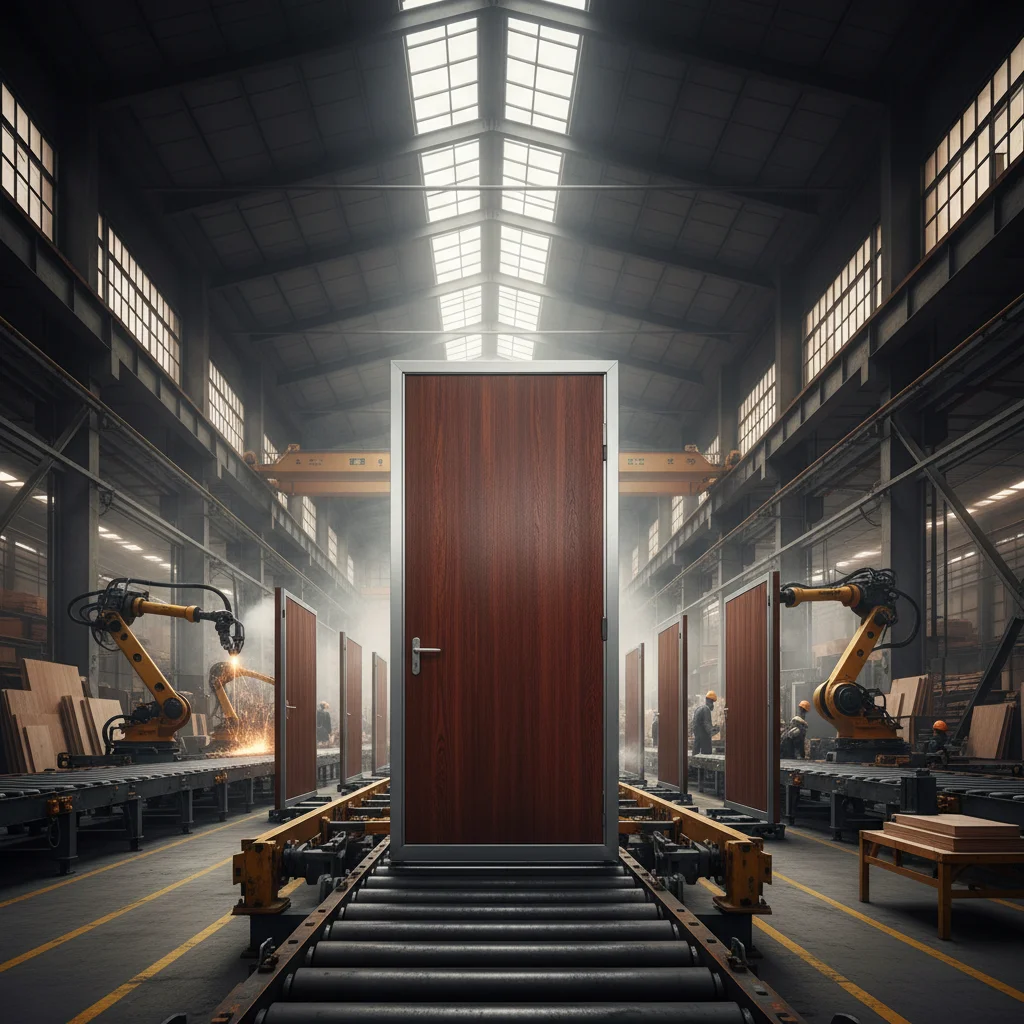
Ensuring structural safety in modern architecture requires more than just sturdy beams; it necessitates a sophisticated approach to fire containment. A high-quality fire proof door serves as the first line of defense in a building's passive fire protection strategy, preventing the spread of flames and toxic smoke between compartments. By creating a secure barrier, these specialized installations provide precious time for occupants to evacuate and for emergency responders to contain the blaze.
Across the globe, building codes have become increasingly stringent as urban density rises. From high-rise residential complexes in Singapore to industrial warehouses in Germany, the integration of certified fire-rated assemblies is no longer optional but a critical legal requirement. The evolution of materials—from heavy steel to advanced composite cores—has allowed these doors to maintain their integrity under extreme heat while blending seamlessly with contemporary interior design.
Understanding the nuances of fire-rated barriers is essential for architects, facility managers, and safety officers. Choosing the right fire proof door involves balancing fire-resistance ratings (such as 60, 90, or 120 minutes) with operational needs like acoustic insulation and traffic flow. This guide explores the technical depth and practical applications of these life-saving components in today's built environment.
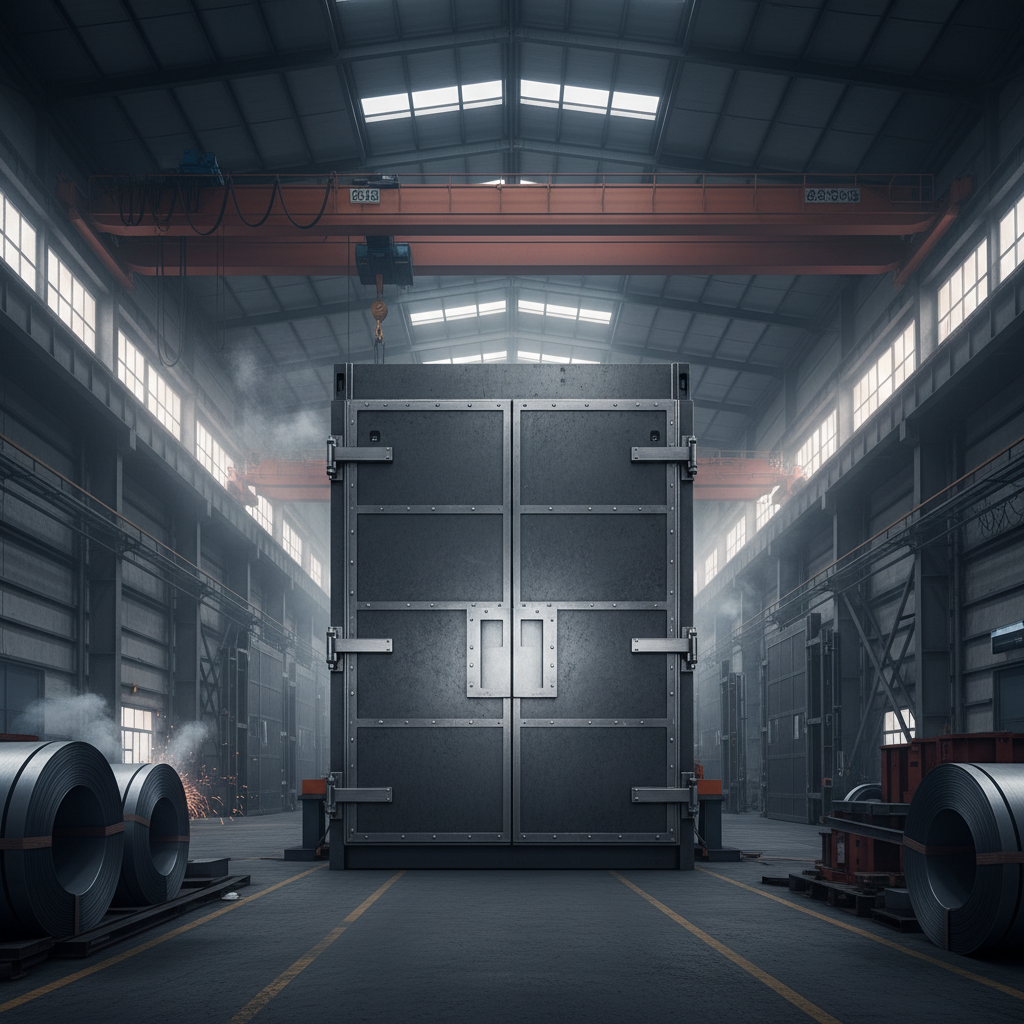
Global Relevance of Fire Protection Systems
On a global scale, fire safety in the built environment is a paramount concern for urban planners and government bodies. According to ISO standards and various international fire safety reports, a significant percentage of structural collapses during fire emergencies are attributed to the failure of compartmentation. When a fire proof door fails to close or maintain its seal, the "chimney effect" can rapidly transport heat and smoke to upper floors, exponentially increasing the risk to human life.
The challenge lies in the diversity of architectural styles and the varying degrees of regulatory enforcement across different regions. In many developing industrial zones, the lack of standardized fire-rated barriers leads to catastrophic losses. By implementing rigorous testing and installation protocols, industries can mitigate these risks, ensuring that safety is not an afterthought but a fundamental part of the construction process.
Defining the Mechanics of Fire Proof Doors
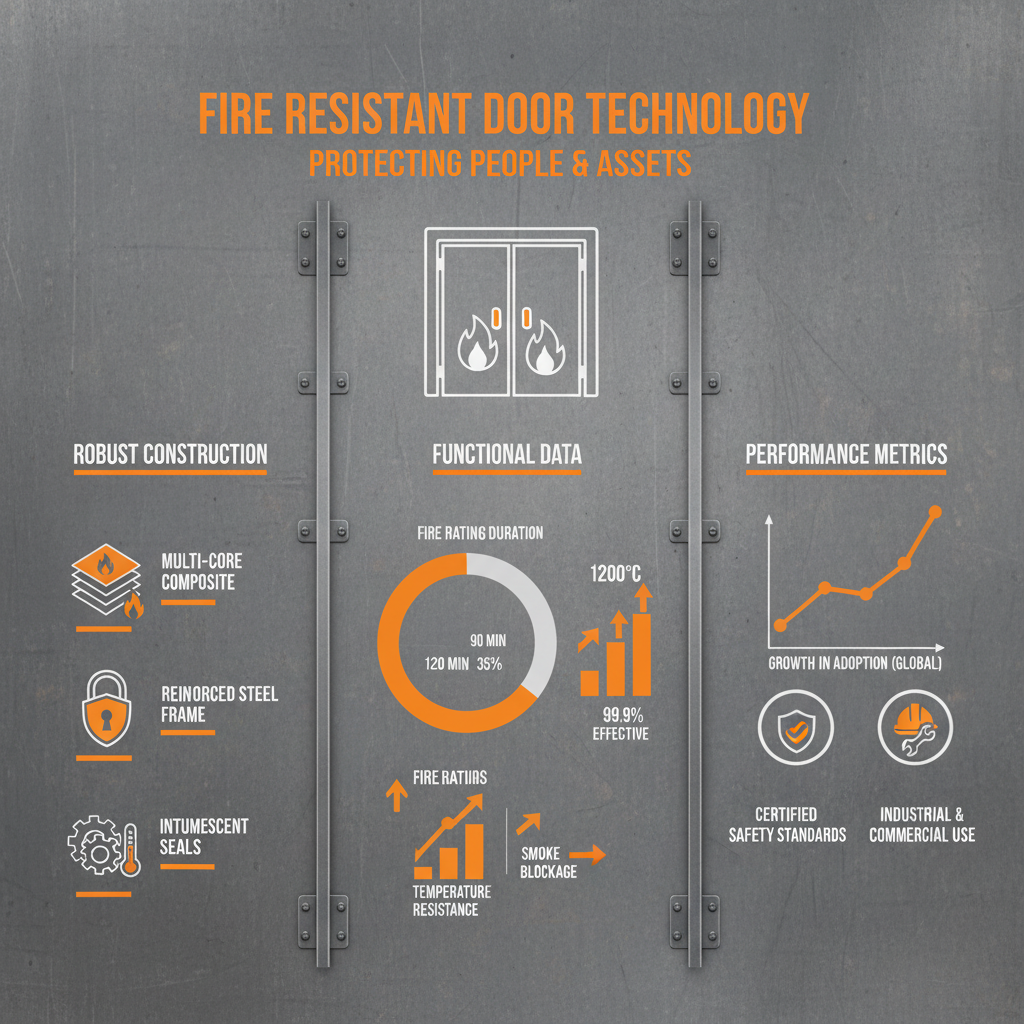
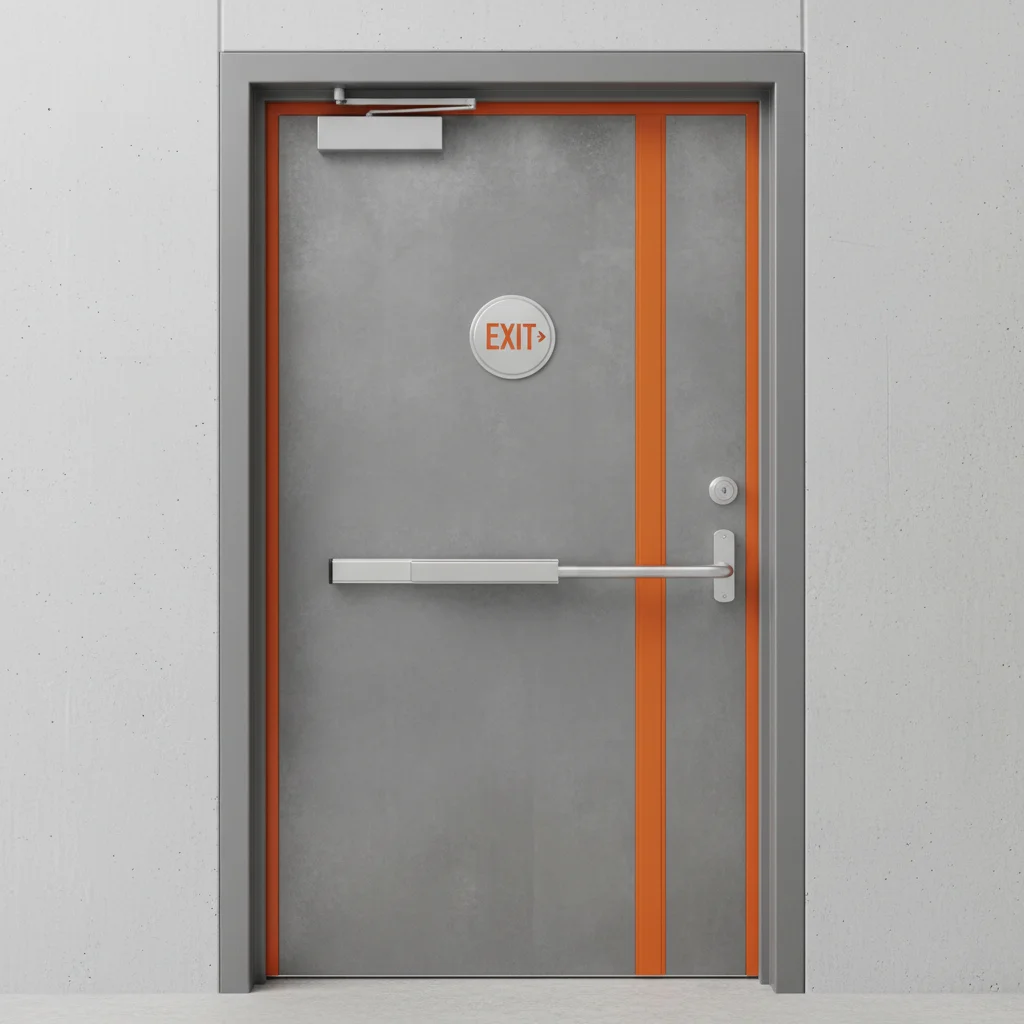
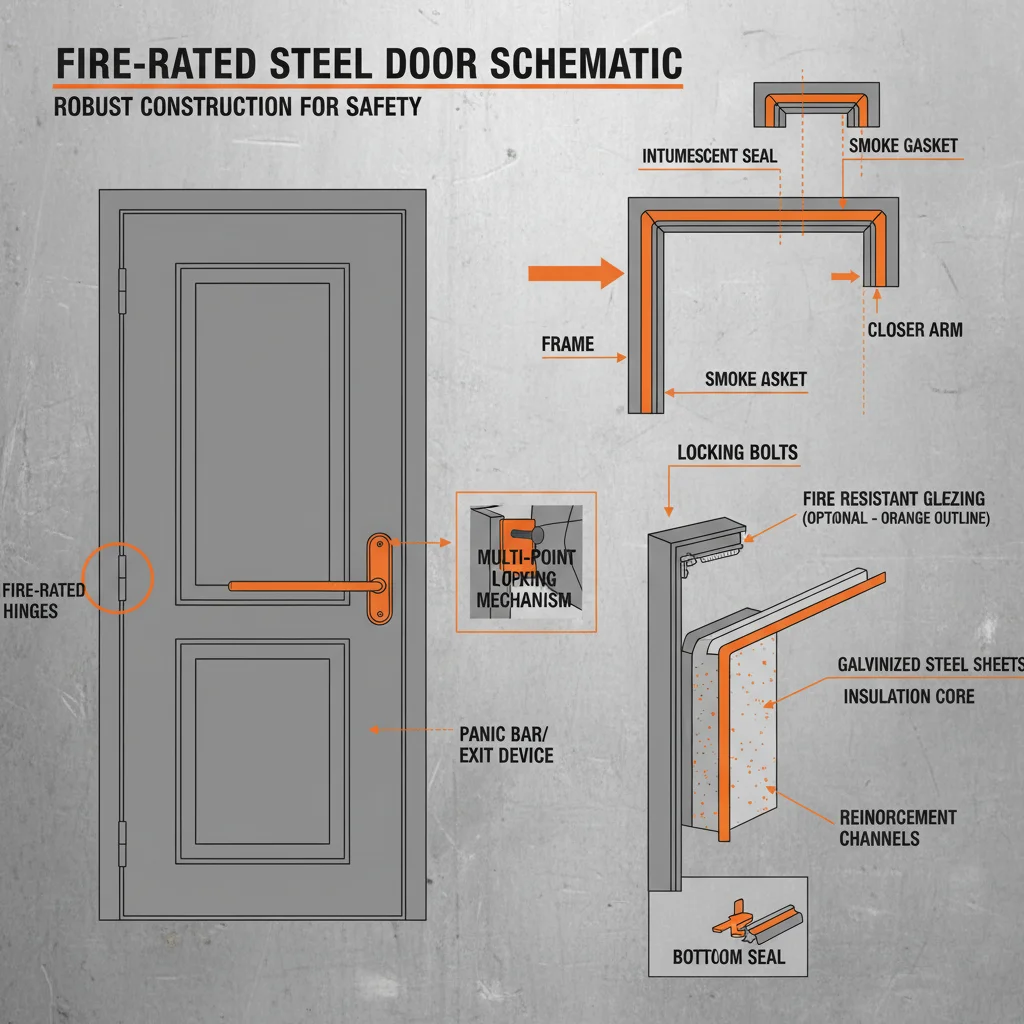
At its core, a fire proof door is a specialized assembly designed to resist the passage of fire, heat, and smoke for a specific period. Unlike a standard interior door, these units are engineered using non-combustible materials and intumescent seals that expand when exposed to heat, effectively plugging gaps between the door leaf and the frame. This ensures that the "fire cell" remains intact, protecting the corridors that serve as evacuation routes.
The connection between these doors and modern humanitarian needs is evident in the construction of hospitals, schools, and high-density housing. In these environments, the goal is not just to "stop" the fire, but to manage it. By utilizing a combination of fire rolling shutter doors and swing-type fire doors, architects can create flexible spaces that remain open for daily operations but automatically seal shut during an alarm event.
From a technical perspective, the "fireproof" label is relative to time. Whether it is a 30-minute or 4-hour rating, the purpose is to provide a predictable window of safety. This scientific approach to containment allows firefighting teams to isolate the source of the ignition, preventing a localized incident from becoming a city-wide disaster.
Core Components for Maximum Durability
The effectiveness of a fire proof door depends heavily on its structural integrity. The door leaf, typically constructed from galvanized steel or mineral-core composites, must be able to withstand extreme thermal expansion without warping. If the leaf bows under heat, the seal is broken, and the door's fire-rating is effectively voided.
Intumescent strips are perhaps the most critical "hidden" component of a high-performance fire proof door. These materials are chemically engineered to react to heat by expanding up to several times their original size. This creates a tight, charred seal that blocks the passage of lethal carbon monoxide and hot gases, which are often more dangerous than the flames themselves.
Hardware and closing mechanisms also play a vital role. Self-closing hinges or electromagnetic hold-open devices ensure that the door is always in the closed position when a fire is detected. Without a reliable closing system, even the most expensive fire-rated material is useless, highlighting the need for an integrated approach to safety hardware.
Comparative Performance and Rating Standards
Evaluating the performance of a fire proof door involves analyzing its ability to maintain structural stability and thermal insulation. Industry standards like UL (Underwriters Laboratories) or BS (British Standards) provide a framework for testing, ensuring that every door sold meets a verified safety benchmark. The choice between a standard fire door and a specialized rolling shutter often depends on the specific risk profile of the zone.
For instance, in a chemical storage facility, a higher fire-resistance rating is mandatory compared to a residential hallway. The following data illustrates the relative efficiency and rating of different fire-containment methods based on common industry benchmarks.
Efficiency Analysis of Fire Proof Door Configurations
Real-World Global Applications
The application of a fire proof door varies significantly across different sectors. In the healthcare industry, fire doors are strategically placed to create "smoke compartments," allowing patients who are immobile to be sheltered in place while the fire is fought in another wing. This prevents the need for panicked, full-building evacuations which can be dangerous for ICU patients.
In industrial zones, such as oil refineries or electronics factories, fire rolling shutter doors are preferred for their ability to cover large openings without obstructing forklift traffic. These systems integrate with smoke detectors to deploy instantly, isolating high-risk machinery areas from the rest of the facility, thus preventing a localized electrical fire from evolving into a total loss of assets.
Long-Term Value and Safety Impact
Investing in a certified fire proof door offers tangible long-term value beyond mere compliance. From an insurance perspective, buildings equipped with high-grade fire containment systems often benefit from significantly lower premiums. The logical angle is simple: reduced risk of total loss equals lower cost for the insurer and the owner.
Beyond the financial metrics, there is an emotional and social dimension to fire safety. The trust that employees and residents place in their environment is built upon these invisible safeguards. Knowing that a fire-rated barrier exists between a bedroom and a stairwell provides a sense of dignity and security, ensuring that the architectural design prioritizes human life over aesthetic convenience.
Furthermore, the sustainability of fire-rated materials is improving. Modern manufacturers are focusing on recyclable steel and non-toxic cores, ensuring that the pursuit of safety does not come at the cost of environmental degradation. This alignment of reliability, safety, and sustainability defines the modern standard for high-performance building components.
Future Trends in Fire-Resistant Technology
The future of the fire proof door is being shaped by the digital transformation of the construction industry. We are seeing the rise of "smart" fire doors equipped with IoT sensors that monitor the door's status in real-time. These sensors can alert facility managers if a door has been propped open with a wedge, a common but dangerous practice that compromises the entire fire safety network.
Material science is also evolving with the introduction of aerogel-based insulation and advanced ceramics. These materials allow for thinner, lighter doors that provide the same or better fire-resistance ratings than traditional heavy steel plates. This shift enables architects to design more open, airy spaces without sacrificing the rigorous requirements of fire compartmentation.
Automation is another key trend, where fire doors are integrated into AI-driven building management systems (BMS). In the event of a fire, the BMS can coordinate the closing of doors to steer occupants toward the safest exit based on the location of the smoke, effectively turning a passive safety component into an active guidance system.
Comparative Analysis of Fire-Resistant Material Evolutions
| Material Type |
Fire Rating Capacity |
Installation Weight |
Eco-Friendliness |
| Traditional Steel |
High (Up to 180min) |
Heavy |
Moderate |
| Mineral Core Composite |
Very High (Up to 240min) |
Medium |
High |
| Intumescent Wood |
Medium (Up to 60min) |
Light |
Very High |
| Ceramic-Coated Steel |
Ultra High (Up to 300min) |
Heavy |
Moderate |
| Aerogel-Insulated |
High (Up to 120min) |
Very Light |
High |
| Fire-Rated Glass |
Low-Medium (Up to 60min) |
Medium |
Moderate |
FAQS
In strict technical terms, almost no door is completely "proof" against fire indefinitely. The term "fire proof door" is commonly used in the industry to describe fire-resistant doors that are certified to withstand fire for a specific duration (e.g., 30, 60, or 120 minutes). These ratings indicate how long the door can prevent the spread of flames and heat, providing a critical window for evacuation and firefighting efforts.
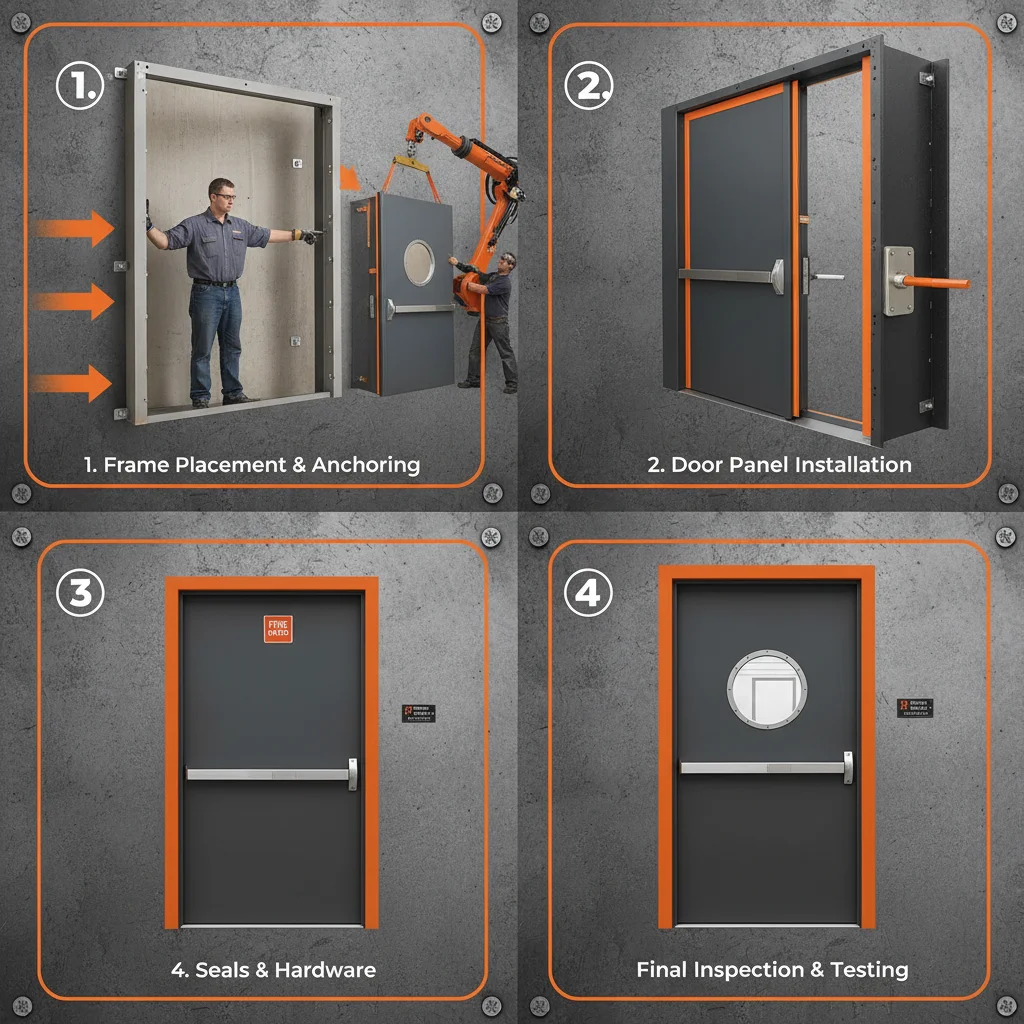
Compliance can be verified by checking the certification label typically located on the top or side of the door leaf. However, labels aren't enough; a physical inspection is necessary to ensure the intumescent seals are intact, the door closes fully and automatically without assistance, and there are no gaps larger than 3mm between the door and the frame. Regular professional audits are highly recommended.
Yes, many high-quality fire doors are designed with dual functionality. Because fire-rated doors require dense cores and tight seals to block heat and smoke, they naturally block sound waves as well. Many manufacturers offer acoustic-rated fire doors that combine a high fire-resistance rating with a high decibel (dB) reduction rating, making them ideal for hotel rooms or office conference spaces.
While many fire doors come pre-finished, if you choose to paint them, you must use paints that do not compromise the fire-rating. Some thick, oil-based paints can actually interfere with the way intumescent seals react to heat. It is always best to use manufacturer-approved coatings or intumescent paints that add an extra layer of fire protection rather than reducing it.
A fire door left open is a critical safety failure. It transforms a protective barrier into a gateway for smoke and flame, allowing fire to travel rapidly through a building. This is why electromagnetic hold-open devices are used; they keep the door open for convenience but release immediately upon an alarm signal, ensuring the door shuts and seals the compartment exactly when needed.
Absolutely. Fire doors are frequently used in residential settings, particularly for garage-to-house entries or for separating kitchens and utility rooms. In multi-story residential buildings, fire doors are legally required in common stairwells. Installing them in a home can significantly increase the safety of your family by slowing the spread of a potential house fire.
Conclusion
The implementation of a high-quality fire proof door is a fundamental pillar of modern safety engineering. By combining advanced material science, such as intumescent seals and mineral cores, with rigorous international testing standards, these doors provide an indispensable layer of protection. We have seen that their value extends beyond mere legal compliance, offering insurance benefits, peace of mind, and, most importantly, the preservation of human life during catastrophic events.
Looking forward, the integration of IoT and AI into fire containment will transform these passive barriers into active, intelligent systems. For developers and facility managers, the recommendation is clear: prioritize certified, high-performance fire assemblies and maintain them with a strict schedule. Ensuring the integrity of your building's compartmentation today is the only way to guarantee safety tomorrow. Visit our website for professional solutions: www.cnbuildhive.com