Ensuring the safety of occupants in commercial and industrial buildings requires a rigorous approach to emergency egress, where the fire exit door serves as the final, critical line of defense. These specialized barriers are engineered not just to provide a path of escape, but to actively prevent the spread of smoke and flames, granting precious minutes for evacuation. Understanding the technical specifications and regulatory requirements of these systems is essential for architects, facility managers, and safety officers worldwide.
Across the globe, urban density and the complexity of modern architectural designs have heightened the risks associated with building fires. The integration of a high-performance fire exit door is no longer just a compliance checkbox but a fundamental requirement for life safety. From high-rise office towers in New York to industrial warehouses in Shanghai, the reliance on certified fire-rated exits is paramount to mitigating the risk of mass casualties during catastrophic events.
In this comprehensive guide, we will explore the engineering behind these safety systems, the critical factors that determine their efficacy, and the evolving trends in fire-rated materials. By balancing technical durability with ease of operation, the modern fire exit door transforms a simple exit point into a sophisticated safety mechanism that protects both human life and physical assets.
Global Industry Context of Fire Exit Doors
The global demand for high-specification fire safety hardware has surged as international building codes, such as those aligned with ISO and NFPA standards, become more stringent. Statistics indicate that a significant percentage of fatalities in industrial fires occur due to blocked or malfunctioning exit points, highlighting the dire need for a reliable fire exit door that operates flawlessly under extreme thermal stress.
Industrialization in emerging economies has led to the construction of massive manufacturing hubs where the volume of personnel is immense. In these environments, the challenge is not just providing a door, but ensuring the exit is intuitive and capable of withstanding the specific chemical or thermal hazards of the site, making the engineering of the fire exit door a critical component of industrial risk management.
Defining the Fire Exit Door in Modern Safety
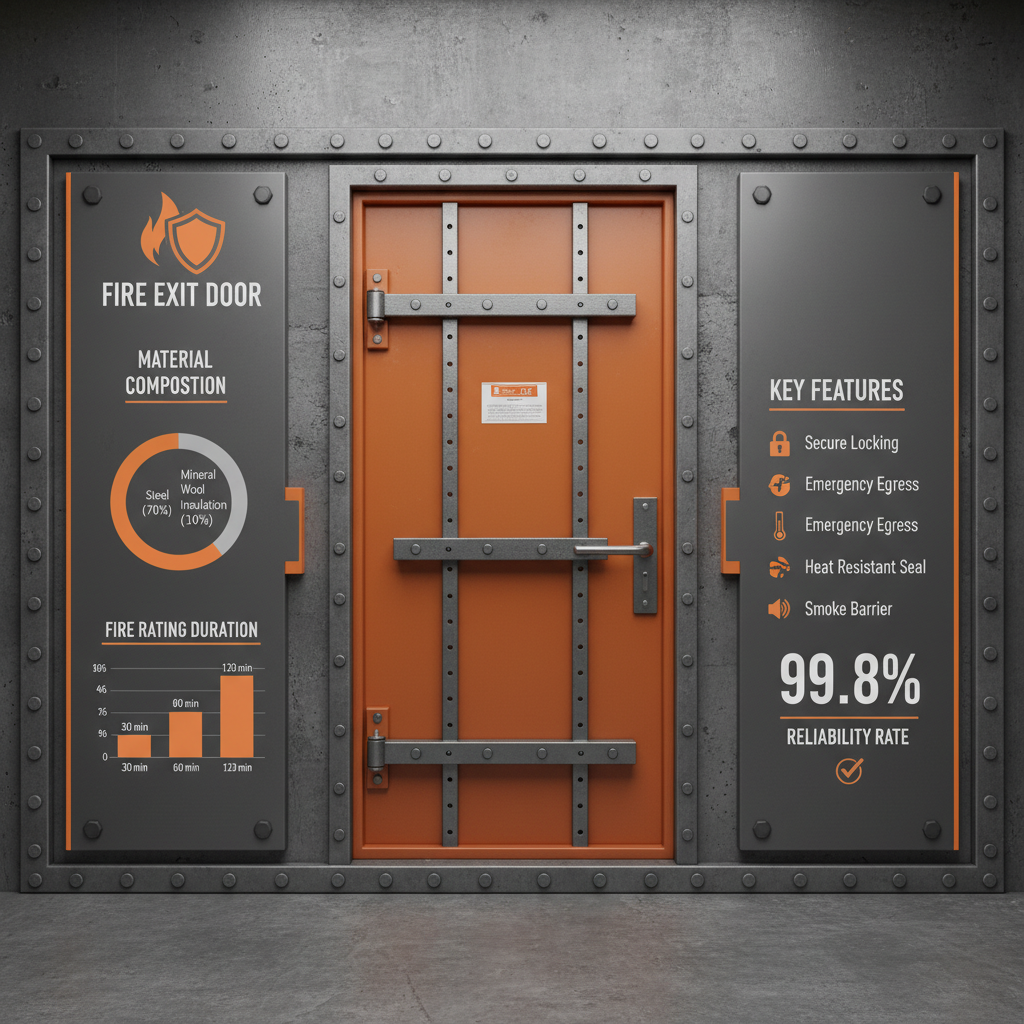
At its simplest level, a fire exit door is a specialized assembly consisting of a fire-rated door leaf, a matching frame, and specific hardware designed to block the passage of fire and smoke while allowing rapid egress. Unlike standard doors, these are tested for specific durations—typically 30, 60, 90, or 120 minutes—during which they must maintain their structural integrity and prevent the breach of heat.
Beyond the physical materials, these doors represent a humanitarian commitment to life safety. They are the physical manifestation of a building's "evacuation strategy," ensuring that even in the chaos of a smoke-filled hallway, a person can find and operate a mechanism that leads them to a place of relative safety. This connection between mechanical engineering and human psychology is what defines the modern safety exit.
In the context of the metal products industry, these doors are often manufactured from galvanized steel or stainless steel, utilizing mineral wool or honeycomb cores to provide thermal insulation. This combination ensures that the fire exit door remains cool enough to be touched and operated even when the other side is exposed to intense flames.
Core Components and Technical Factors
The efficacy of a fire exit door depends heavily on its material durability. High-grade steel construction prevents warping under heat, while intumescent seals—which expand when exposed to fire—close any gaps between the door and the frame to block toxic smoke.
Scalability in design is another key factor. Whether it is a single-leaf fire exit door for a small office or a double-leaf wide-span exit for a factory floor, the hardware must be scaled to maintain the same level of fire resistance and operational ease across all dimensions.
Cost efficiency is often balanced with reliability. While the initial investment in a certified fire exit door may be higher than standard options, the long-term value is found in reduced insurance premiums and the mitigation of legal liabilities associated with safety failures.
Global Applications and Use Cases
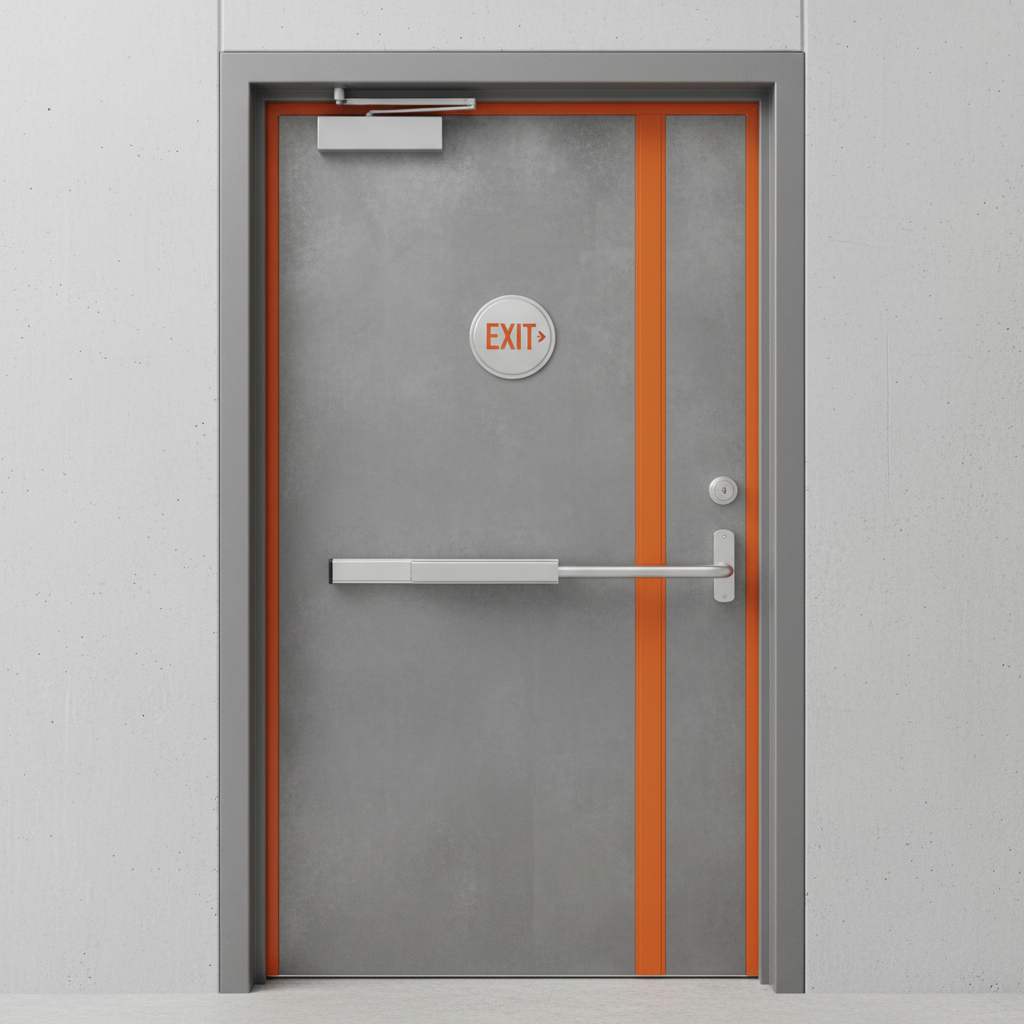
In real-world applications, the fire exit door is indispensable across diverse sectors. In high-density urban residential complexes in Asia, these doors partition stairwells to create "smoke-free zones," allowing residents to descend safely. In North American logistics centers, oversized fire exits are integrated with panic bars to ensure that workers can exit rapidly without needing a key during an emergency.
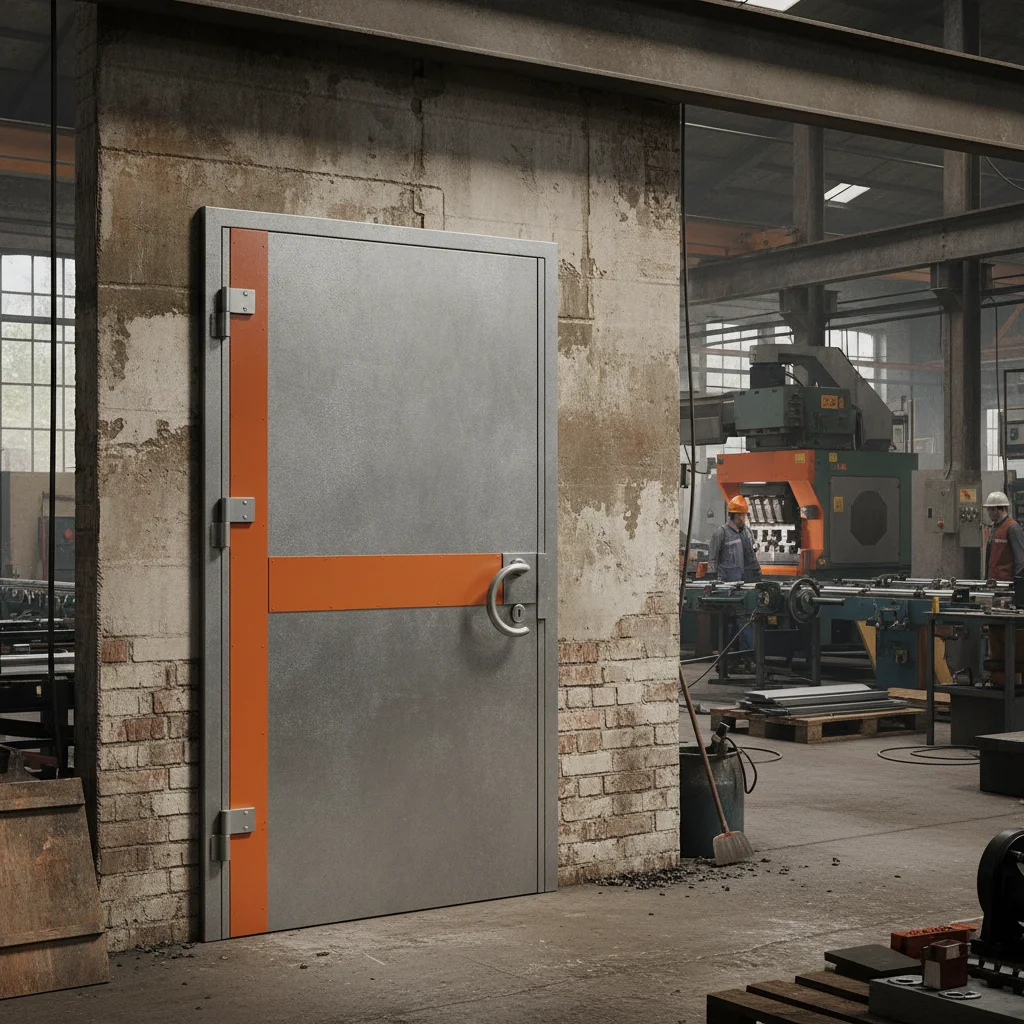
Furthermore, in specialized environments such as chemical processing plants or pharmaceutical labs, the fire exit door is often combined with air-tight gaskets to prevent the migration of hazardous gases during a fire. Even in remote industrial zones, these doors are essential for protecting critical infrastructure, ensuring that a fire in one sector does not lead to a total facility collapse.
Performance Comparison of Fire Exit Door Types
Advantages and Long-Term Safety Value
The primary advantage of a certified fire exit door is the absolute peace of mind it provides. From a logical perspective, the ability to contain a fire within a specific compartment prevents a localized incident from becoming a building-wide disaster. This reliability translates into tangible sustainability; by saving the core structure of a building from total destruction, the environmental cost of reconstruction is avoided.
Emotionally, the presence of clear, functional fire exits fosters a culture of trust and safety within a workplace. Employees and visitors feel more secure knowing that the infrastructure is designed with their survival in mind. In the long run, investing in a premium fire exit door is an investment in human dignity, ensuring that every person has a safe and dignified path to exit during a crisis.
Future Trends in Fire Door Innovation
The future of the fire exit door is moving toward "intelligent" safety. We are seeing the integration of IoT sensors that can alert facility managers in real-time if a fire door is propped open or obstructed, which is a common cause of failure during actual emergencies. Digital transformation is turning passive barriers into active safety monitors.
Material science is also evolving, with the introduction of lightweight, high-strength ceramic composites that offer better thermal insulation than traditional steel. These new materials allow the fire exit door to be lighter—making it easier for children or the elderly to open—without sacrificing an ounce of fire resistance.
Additionally, there is a growing push for "green" fire safety. Manufacturers are now focusing on recyclable steel and non-toxic intumescent coatings, ensuring that the production of a fire exit door aligns with global sustainability goals and LEED certification requirements for green building.
Challenges and Expert Solutions
One of the most persistent challenges in fire safety is "human error," specifically the habit of wedging a fire exit door open for ventilation or convenience. This completely negates the door's purpose. The expert solution is the implementation of electromagnetic hold-open devices integrated with the building's smoke detection system, which automatically release the door to close the moment an alarm is triggered.
Another limitation is the wear and tear on closing mechanisms. Over time, a fire exit door may fail to latch fully, allowing smoke to leak through. To overcome this, we recommend a scheduled preventative maintenance program that includes tension testing for door closers and seal inspection every six months.
Finally, balancing security (preventing unauthorized entry) with safety (allowing rapid exit) can be tricky. The use of "panic bars" on the interior and high-security deadbolts on the exterior ensures that the fire exit door remains a one-way safety valve—easy to leave, but hard to enter without authorization.
Comparative Analysis of Fire Exit Door Specifications
|
Door Grade
|
Fire Rating (Mins)
|
Core Material
|
Ideal Application
|
| Standard Steel |
60-90 |
Mineral Wool |
Commercial Offices |
| Heavy Duty Industrial |
120-180 |
Dense Ceramic |
Chemical Plants |
| Lightweight Safety |
30-60 |
Honeycomb Paper |
Small Retail Units |
| Premium Stainless |
90-120 |
Mineral Wool |
Hospitality/Kitchens |
| Acoustic Fire Door |
60 |
Rockwool + Foam |
Theaters/Studios |
| High-Security Fire |
120 |
Steel Reinforcement |
Data Centers |
FAQS
While all fire exit doors are fire doors, not all fire doors are exit doors. A fire door is designed primarily to compartmentalize a building and stop the spread of fire. A fire exit door specifically includes hardware—such as panic bars—that allows people to exit the building quickly during an emergency without needing a key, while still maintaining its fire-rating integrity.
To ensure maximum safety, a fire exit door should undergo a basic visual inspection monthly and a comprehensive technical audit every six months. This includes checking the self-closing mechanism, ensuring the seals are not cracked, and verifying that the panic hardware operates smoothly without resistance. Local fire codes may mandate more frequent checks.
You must be cautious when painting. Using non-certified paints can potentially compromise the fire-resistant properties of the door or its intumescent seals. It is highly recommended to use fire-rated paints or check with the manufacturer. Additionally, many building codes require these doors to be a distinct, highly visible color to help occupants find them in smoke.
A 60-minute rating means the fire exit door assembly has been tested in a laboratory and proven to prevent the passage of flames and hot gases for at least one hour. This provides a critical window for emergency services to arrive and for occupants to evacuate the building safely before the fire breaches that specific compartment.
In most commercial and industrial settings, yes. Building codes typically require any door serving as a primary means of egress for a certain number of people (often 50 or more) to be equipped with a panic bar. This ensures that even in a crowd, a simple push against the door will unlock it and allow exit.
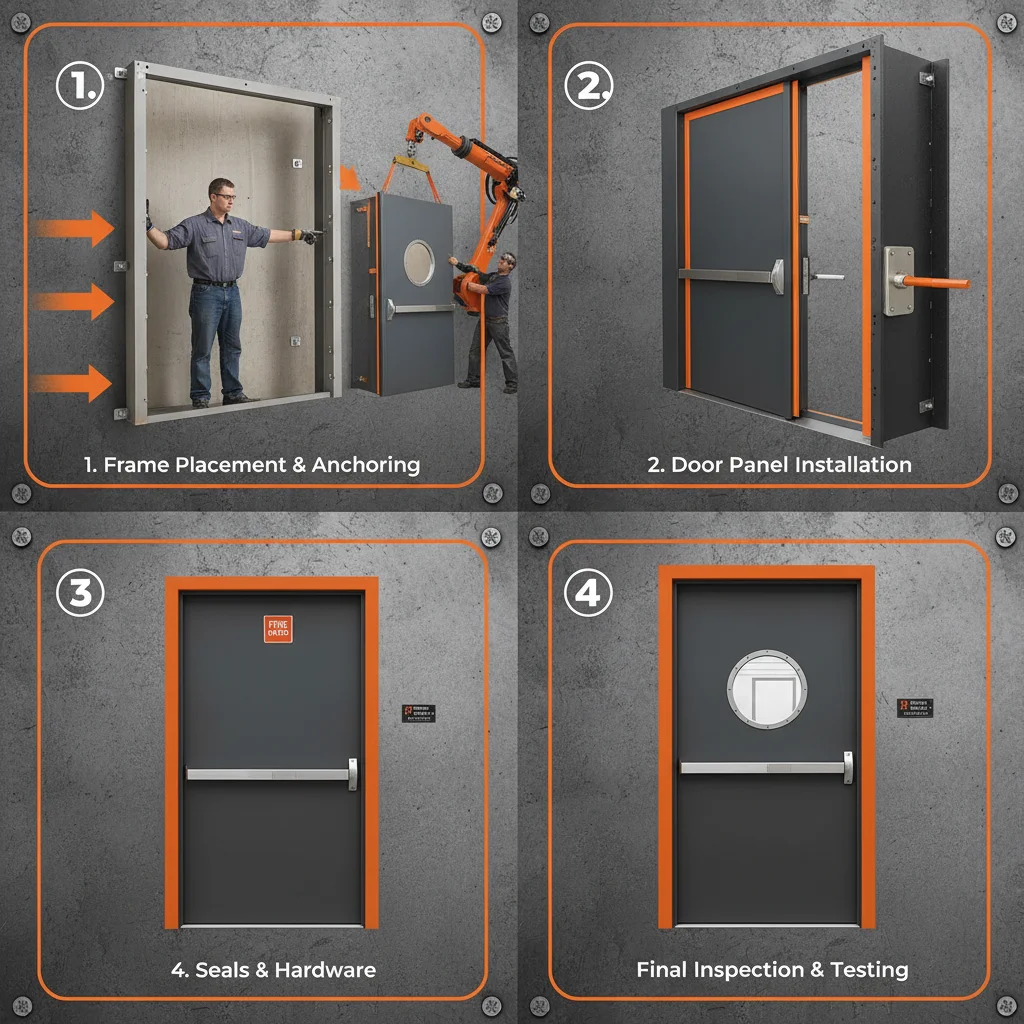
Look for a certification label or stamp on the hinge edge of the door. This label typically indicates the testing standard (such as UL, BS, or EN), the fire rating duration, and the manufacturer's details. If the label is missing or damaged, you should contact a certified fire safety inspector to verify the door's compliance.
Conclusion
In summary, the fire exit door is far more than a simple piece of metal hardware; it is a precision-engineered safety system that bridges the gap between architectural design and human survival. By combining high-grade materials, certified fire ratings, and intuitive egress hardware, these doors provide the essential time and protection needed during the most critical moments of a building fire. From the importance of intumescent seals to the integration of smart monitoring, every detail contributes to the overall reliability of the evacuation path.
Looking forward, the evolution of fire safety will continue to be driven by material innovation and digital integration. We encourage facility managers and developers to move beyond basic compliance and invest in high-performance solutions that prioritize the long-term wellbeing of their occupants. Ensuring your facility is equipped with a certified, well-maintained fire exit door is the most effective way to safeguard lives and protect your investment. Visit our website for professional solutions: www.cnbuildhive.com