Add: Room 402, Building 1, Hongyuan Innovation Building, Wujiaochang Subdistrict, Yangpu District, Shanghai
CONTACT US
+86 18595994837
CONTACT US
+86 18595994837
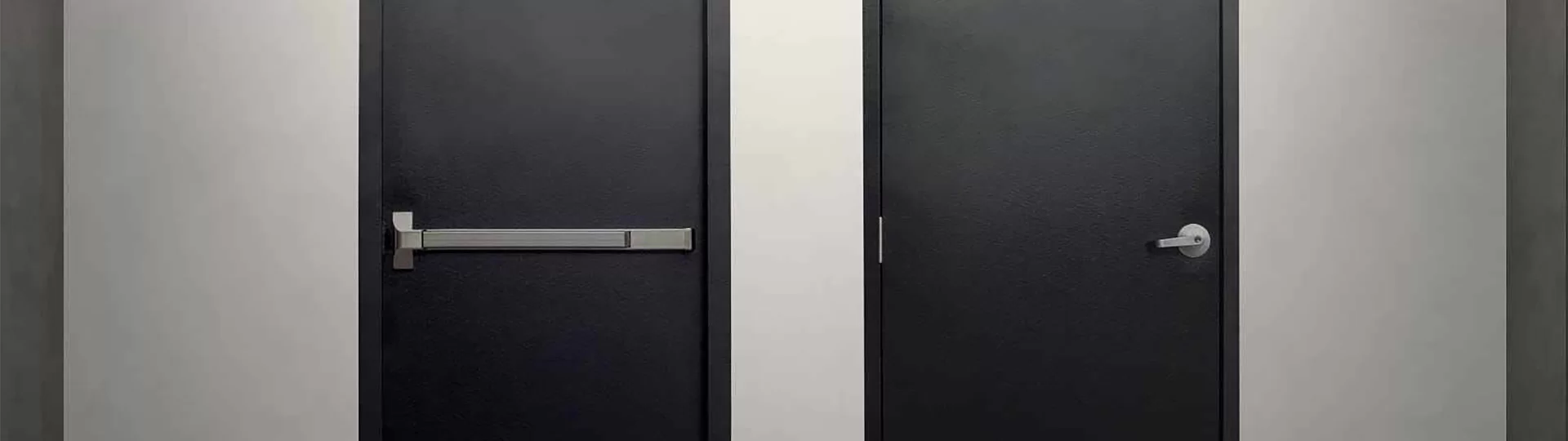
Fire rated doors are a critical component of any building’s fire safety strategy. These doors are designed to contain fire and smoke, providing crucial time for occupants to evacuate and for fire services to respond. Choosing the right fire rated door depends on a number of factors, including the building type, occupancy, and required fire resistance rating. This article will provide a detailed overview of fire rated doors, covering their types, standards, applications, and key considerations for selecting the appropriate door for your needs. Ensuring proper fire safety is paramount, and understanding these doors is the first step.

Fire rated doors are specifically engineered to withstand fire for a designated period, measured in minutes or hours. This resistance is achieved through the use of fire-resistant materials in the door's core, frame, and hardware. These materials prevent the spread of flames and toxic smoke, creating a safe path for evacuation. The “fire rating” indicates how long the door can resist fire exposure before failing – meaning it compromises its structural integrity or allows significant heat transfer. It’s crucial that these doors are installed correctly, with all gaps sealed, to maintain their effectiveness.
Key Takeaway: Fire rated doors don't prevent fire, they contain it, buying valuable time for evacuation and firefighting efforts.
Fire rated doors come in various types to suit different applications and aesthetic requirements. Common types include:
The choice of door type depends on the level of fire protection needed, the building’s design, and budget constraints.
Fire door ratings are expressed in terms of time, such as 20-minute, 45-minute, 60-minute, 90-minute, and 3-hour. The rating indicates the duration the door assembly (door, frame, and hardware) can withstand fire exposure while maintaining its integrity. Higher ratings are required for areas with greater fire risk, such as stairwells and exit routes. It’s important to note that the rating applies to the entire assembly, not just the door itself. Ensure that all components meet the specified rating for full fire protection.
A fire rated door isn’t just the door itself. A complete and effective fire door assembly includes:
All components must work together seamlessly to ensure the door assembly meets the specified fire rating. Regular inspection and maintenance are vital to ensure continued functionality.
When choosing a fire rated door, consider these factors: CNBuildhive offers a wide range of options to suit diverse needs. The building’s occupancy type, the required fire rating, the aesthetic requirements, and the budget are all important. Ensure the door meets local building codes and fire safety regulations. It's also important to choose a reputable supplier and installer to guarantee the quality and performance of the door assembly.
Investing in quality fire rated doors is a crucial step in protecting lives and property. Understanding the different types, ratings, and components will empower you to make informed decisions. Remember to prioritize compliance with building codes and choose reputable suppliers for optimal fire safety.
Fire rated doors should be inspected at least annually, and ideally after any significant event that could have compromised their integrity, such as a fire drill or minor impact. Inspections should verify that the door closes and latches properly, that the seals are intact, and that there are no obstructions preventing proper operation. Documentation of inspections is recommended for compliance purposes. A qualified fire door inspector can provide a thorough assessment and identify any necessary repairs or replacements.
Yes, you can paint a fire rated door, but it's crucial to use a fire-retardant paint specifically designed for fire rated doors. Adding layers of non-approved paint can reduce the door’s fire resistance. The paint should be applied evenly and should not obscure any labels or markings indicating the door’s fire rating. Always check with the door manufacturer or a fire safety professional to ensure the paint is compatible and won't compromise the door's performance.
If a fire rated door is damaged, it should be immediately repaired or replaced by a qualified professional. Even minor damage can compromise the door’s fire resistance. Do not attempt to repair the door yourself unless you have the necessary expertise and materials. A damaged door should be clearly marked as out of service until it is repaired or replaced to prevent its use as a fire barrier.

Premium Wooden Fire Rated Doors China Factory and Certified Safety Door Suppliers

Premium Heavy-Duty Steel Fire Rated Dors
Engineered for mission-critical infrastructure, our certified steel fire rated doors deliver a fundamental safety upgrade for modern industrial construction, designed to eliminate fire spread risks inherent in ordinary entryways. By integrating heavy-gauge galvanized steel plates and high-density refractory core materials, we have developed a heavy-duty fire-resistant structure that combines sturdy industrial security with standardized thermal insulation performance, fully compliant with international UL, CE, and EN fire protection certification standards.
Crafted for rigorous architectural application scenarios, these commercial fire rated doors are essential for petrochemical plants, heavy manufacturing centers, office towers, and large-scale public engineering projects. They feature verified fire resistance performance, an anti-deformation architecture, and an extended service lifecycle, maintaining intact protective containment under high-temperature thermal shocks without burnout. This makes them the ultimate safety solution for demanding construction projects requiring reliable fire prevention and stable facility security.

Heavy-Duty Fire Resistant Rolling Shutter Door
Engineered for massive industrial enclosures and high-risk storage facilities, this heavy-duty fire resistant rolling shutter door delivers uncompromising thermal containment and structural security. Constructed from premium steel and aluminum composite with an insulated fire-retardant core, this industrial-grade fireproof rolling shutter ensures continuous high-frequency operation under extreme environmental loads. Fully automated and equipped with fail-safe emergency deployment, it provides absolute life-safety compliance for heavy manufacturing plants, petrochemical hubs, and large-scale wholesale B2B projects globally.
Professional Fireproof Door